
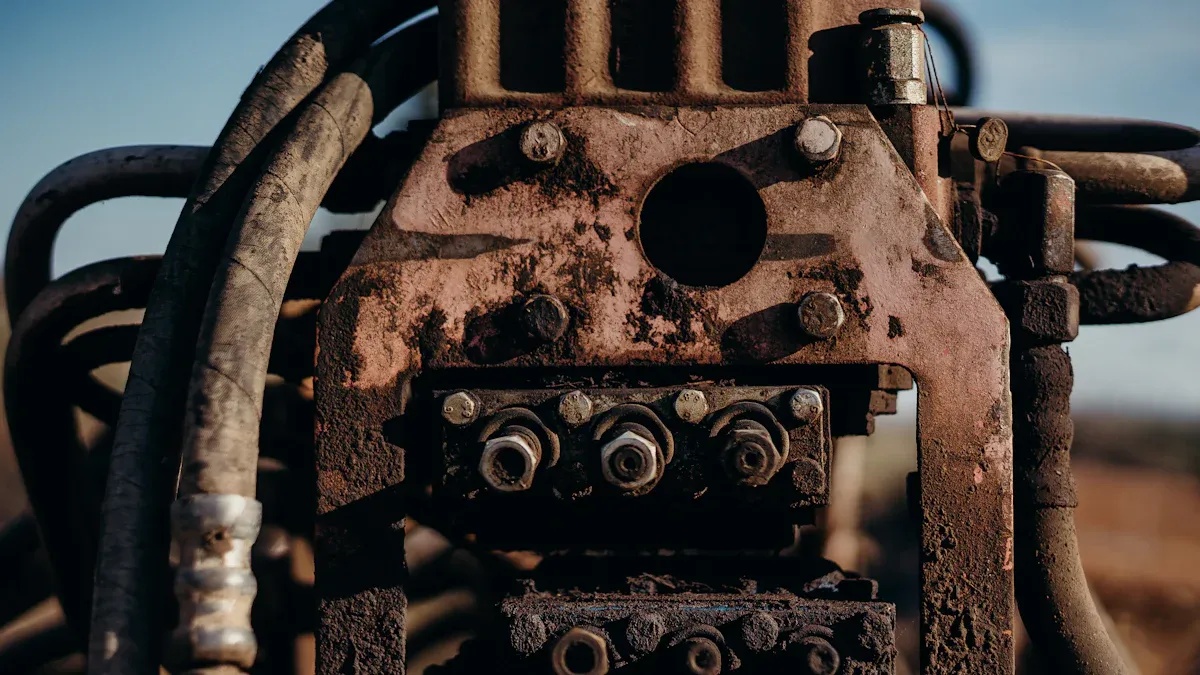
Pumps and compressors often face a wild ride—one study shows over 47% of industrial compressors sit idle due to breakdowns, with reliability dropping below 36%. Simulation-driven die casting steps in like a superhero, battling defects and boosting durability, so these machines can keep humming along without constant pit stops.
Key Takeaways
- Simulation-driven die casting helps engineers find and fix design problems early, making pumps and compressors more efficient and longer-lasting.
- This technology reduces defects like porosity and surface flaws, resulting in stronger parts that need less maintenance and last longer.
- Consistent material quality and optimized designs from simulations lead to lower energy use, fewer breakdowns, and big savings on repair costs.
Efficiency and Durability Challenges in Pumps and Compressors
Common Issues Limiting Performance and Lifespan
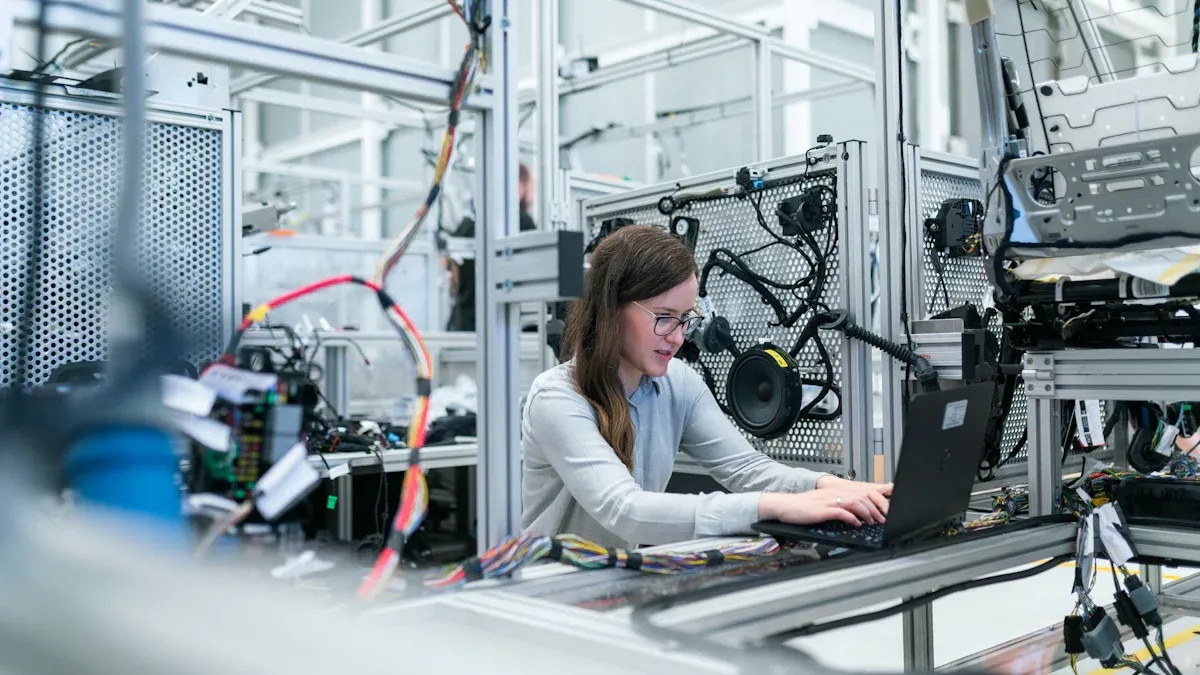
Pumps and compressors face a wild set of hurdles on the factory floor. They must keep up with strict efficiency rules from the U.S. DOE and EU. Manufacturers often juggle high energy bills, expensive repairs, and the constant threat of downtime. The following list highlights the most common headaches:
- High energy consumption during air compression and vacuum operations
- Increased maintenance costs due to worn-out parts
- Downtime when equipment sits idle or breaks down
- Difficulty keeping steady pressure during operation
- Trouble adopting smart monitoring systems with older designs
- High upfront costs and complex technology for high-temperature compressors
- Pressure to meet environmental standards and switch to eco-friendly refrigerants
- Supply chain hiccups and wild swings in raw material prices
Environmental factors like heat, dust, and humidity also join the party, making it tough for pumps and compressors to last. Overheating, noisy vibrations, and clogged filters can turn a reliable machine into a maintenance nightmare. Operators must watch for signs like rotor bending, bearing wear, and oil cooling issues, which can sneak up and shorten equipment life.
Impact of Manufacturing Defects on Longevity
Manufacturing defects can turn a promising pump or compressor into a ticking time bomb. Problems like liquid return, where refrigerant mixes with lubricant, strip away the protective oil film. This leads to friction, wear, and overheating. Liquid blowby can damage valves, rods, and pistons, while poor lubrication causes cylinder and piston damage.
System contamination—think moisture, copper oxide, or dirt—brings corrosion and mechanical jams. High discharge temperatures from low refrigerant or high compression ratios cause piston wear and carbon buildup. Even a tiny assembly mistake can lead to leaks, misalignment, or bearing failures. These defects chip away at the reliability and lifespan of pumps and compressors, making regular inspection and quality manufacturing essential for long-term success.
Simulation-Driven Die Casting Solutions for Pumps and Compressors
Optimizing Internal Flow Paths and Geometries
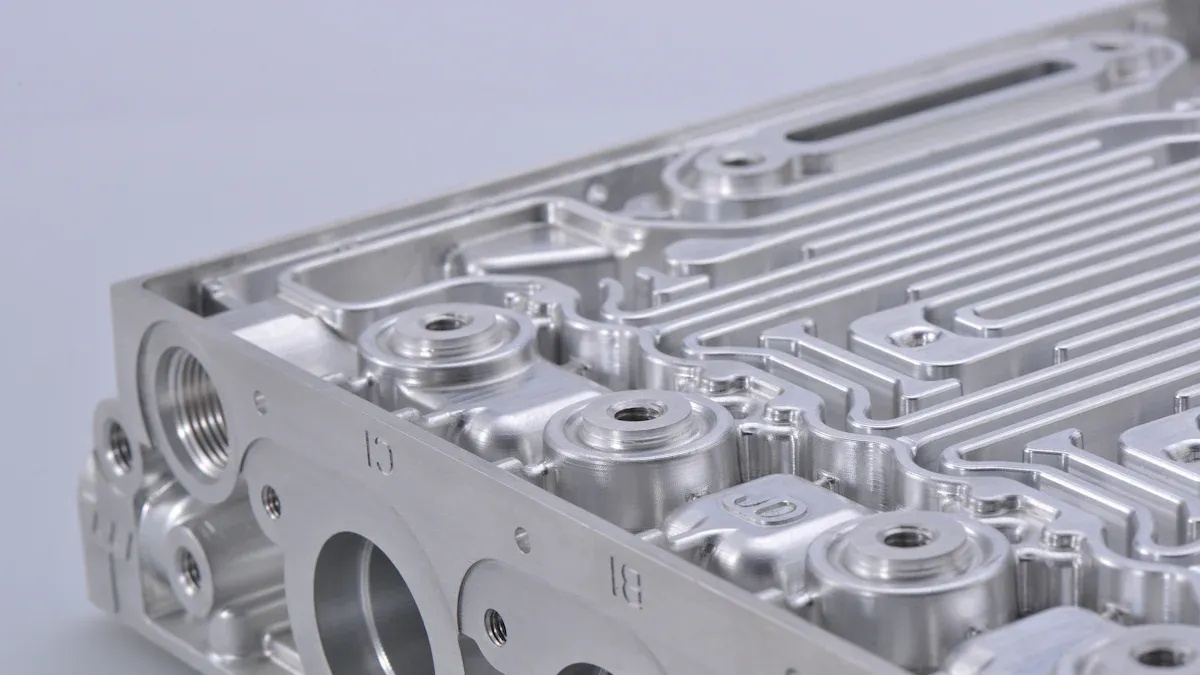
Engineers love a good puzzle, and nothing gets them more excited than the challenge of perfecting the insides of pumps and compressors. Simulation-driven die casting hands them a digital toolbox packed with powerful tricks. Computational Fluid Dynamics (CFD) methods, like RANS, let designers peek inside the flow paths and spot every swirl, eddy, and bottleneck. They use advanced meshing strategies—structured for the impeller, unstructured for the volute—to capture every detail. Automated mesh generation tools, such as Fidelity Automesh, speed up the process, making mesh creation up to five times faster.
AI-driven simulations now join the party, running on GPU-accelerated supercomputers. These tools crunch numbers at lightning speed, helping engineers tweak impeller shapes and flow paths for maximum efficiency. Neural networks and parameterized CAD data allow for multi-objective optimization, so designers can boost both pressure and efficiency. In fact, studies show that combining CFD with AI can increase the average pressure ratio by 9.3% and isentropic efficiency by 6.7% in impeller designs. Geometry optimization via CFD has even bumped compressor efficiency by 4.56% and pressure by 15.85%. With these digital superpowers, manufacturers can fine-tune every curve and corner, ensuring pumps and compressors run smoother, last longer, and sip less energy.
Tip: Simulation-driven design lets engineers test hundreds of ideas before making a single mold, saving time and money while chasing the perfect flow.
Reducing Porosity, Surface Defects, and Weak Points
Porosity and surface defects are the silent saboteurs lurking inside every cast part. Simulation-driven die casting tackles these troublemakers head-on. By using flow analysis and leak testing, engineers can optimize vent placement and vacuum application, slashing porosity rates. Take a look at this table showing the impact of vacuum ladling die casting on compressor housings:
| Aspect | Details |
|---|---|
| Study Focus | Vacuum ladling die casting on automotive compressor housing |
| Porosity Reduction | 57.8% decrease |
| Defect Rate | Reduced to 0.17% |
| Vacuum Level | 17.8 mmHg |
| Methodology | Flow analysis and leak testing used to optimize vent placement and vacuum application |
| Year | 2025 |
Vacuum-assisted venting, guided by simulation software, removes trapped gases from tricky mold areas. One medical equipment manufacturer dropped porosity failures from 8% to just 0.5% by adding vacuum-assisted venting. Scrap rates in automotive and aerospace parts have plummeted from double digits to below 2% thanks to these techniques. The result? Fewer weak points, stronger parts, and a lot less waste.
Surface treatments also play a starring role. Chemical treatments and polishing can cut corrosion rates from 5.72 mm/year to just 0.45 mm/year. Adhesion strength jumps by up to 111% with the right surface prep. Fatigue tests show that polished, defect-free parts can last two to three times longer than their rough, porous cousins. In pumps and compressors, that means fewer breakdowns and more uptime.
Enhancing Material Properties and Consistency
Consistency is king in the world of pumps and compressors. Simulation-driven die casting ensures every part comes out with the same high-quality material properties. Engineers use advanced materials like flexible elastomer diaphragms and brushless DC motors to reduce friction and wear. These innovations help pumps flex billions of times without cracking or losing their bounce.
Material consistency also means better fatigue life. Studies on hydraulic pipes show that when material properties stay steady, components can outlast their design life by a wide margin. New polymers and copolymers boost temperature resistance and fatigue performance, while improved bearing materials and dry lubricants keep everything running smoothly. The result? Pumps and compressors that shrug off stress, resist corrosion, and keep working long after others have called it quits.
Note: Consistent materials mean fewer surprises in the field and more reliable performance, even under tough conditions.
Real-World Results and Longevity Improvements
Simulation-driven die casting does more than look good on paper—it delivers in the real world. CFD simulations for pumps and compressors, like gerotor pumps and scroll compressors, have matched up closely with experimental measurements. Engineers see predicted oil flow rates and mass flow rates line up with what actually happens in the lab. This tight match means simulation-driven improvements translate directly into better performance on the factory floor.
In one case, a mill re-engineered its pumps with optimized hydraulics and managed to run fewer pumps in parallel. The result? A whopping 17% savings in energy costs each year and a big jump in equipment life. Advanced analytics and machine learning now help compare expected performance with real-world data, revealing new ways to squeeze out even more efficiency and reliability.
Simulation-driven die casting gives manufacturers the power to predict, test, and perfect every detail before production begins. The payoff comes in the form of longer-lasting, more reliable pumps and compressors that keep industries moving and maintenance crews smiling.
Simulation-driven die casting turns ordinary manufacturing into a high-tech adventure. Advanced simulations spot trouble before it strikes, saving operators thousands and boosting uptime. Industry trends show more foundries investing in these digital tools every year. The future looks bright for those who embrace this game-changing technology.
Tip: Early adoption means fewer headaches and more profit down the road.
FAQ
What is simulation-driven die casting?
Simulation-driven die casting uses computer models to predict and fix problems before making real parts. Engineers love it. Machines last longer. Everyone wins.
Tip: Think of it as a superhero cape for manufacturing!
How does this technology help pumps and compressors?
It finds weak spots, reduces defects, and boosts strength. Pumps and compressors run smoother. Maintenance teams cheer. Downtime drops.
Can simulation-driven die casting save money?
Absolutely! Fewer breakdowns mean less cash spent on repairs. Energy bills shrink. Companies see profits rise. Smiles all around.
Post time: Aug-02-2025