
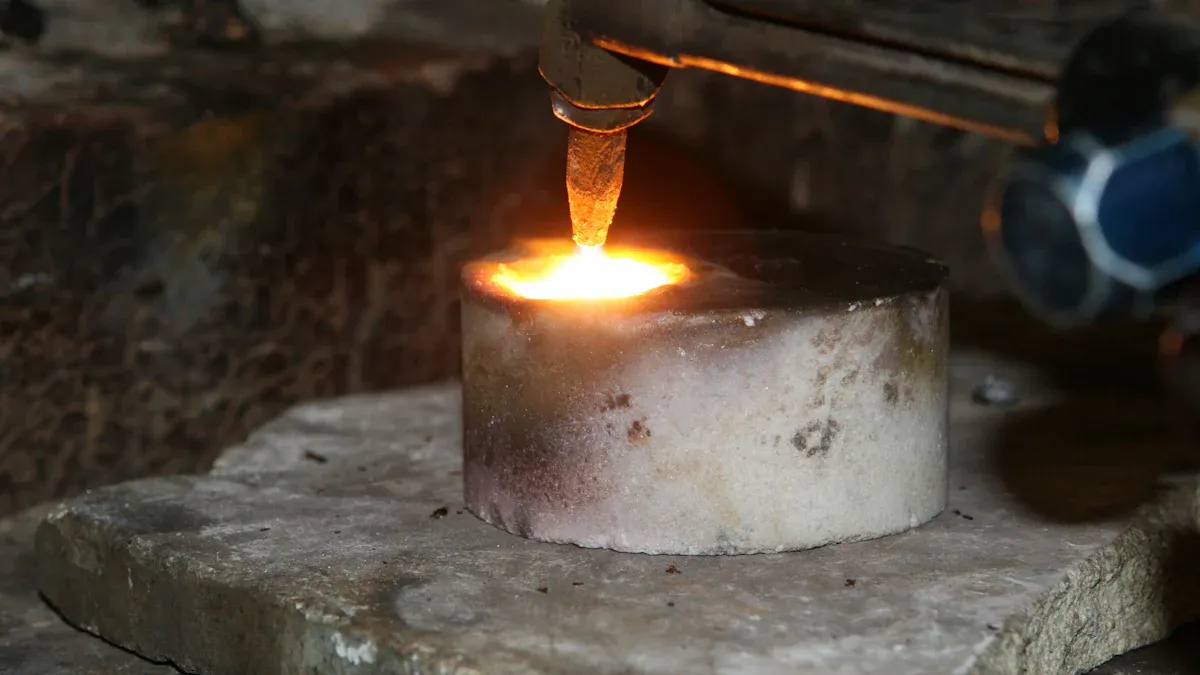
Aluminum die casting plays a vital role in modern manufacturing, producing lightweight yet durable components for industries like automotive and aerospace. To stay competitive in 2025, you must focus on reducing costs, improving quality, and minimizing defects. Advanced technologies, such as those used by an innovative aluminum die casting manufacturer, will help you achieve these goals efficiently. Utilizing aluminum die casting services can further enhance your production capabilities, while incorporating die cast aluminium alloy ensures the strength and reliability of your components.
Key Takeaways
- Save money by picking the best aluminum alloys. Use alloys that work well and cost less to make production better.
- Make production smoother to use less energy and waste. Create molds that use less material and reuse aluminum scraps to save money.
- Use smart tools like AI and IoT to watch production live. These tools help set better casting rules and make products higher quality.
Understanding Aluminum Die Casting
The Aluminum Die Casting Process
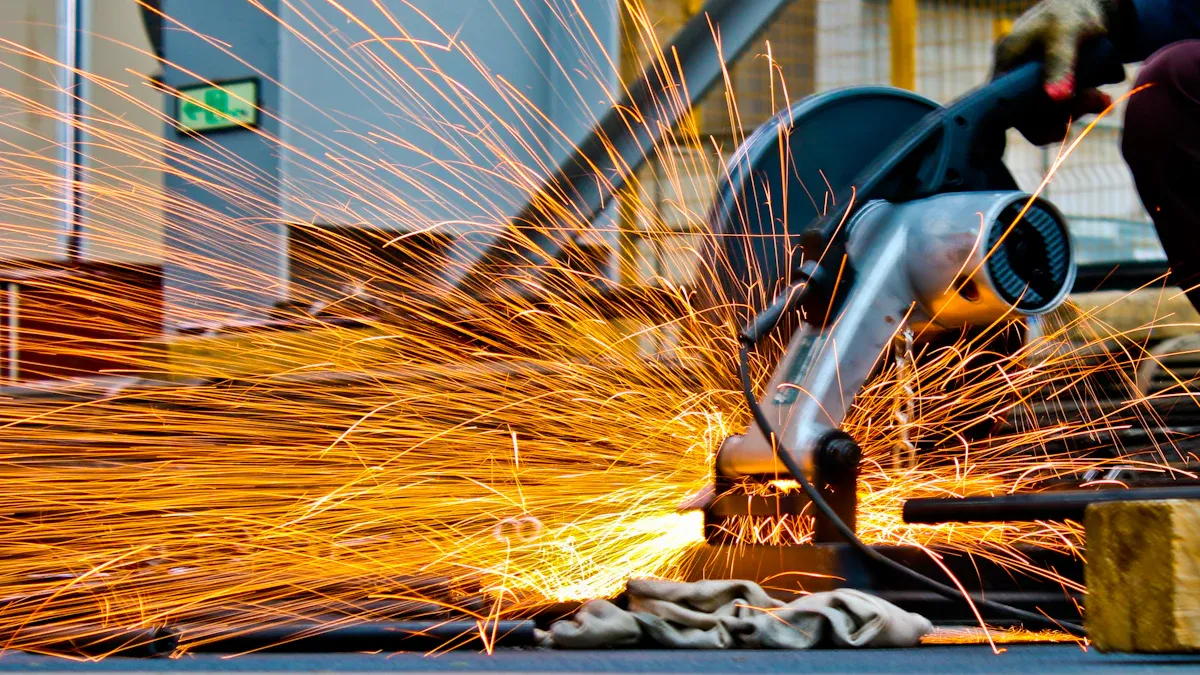
Aluminum die casting involves injecting molten aluminum into a steel mold under high pressure. This process creates parts with precise dimensions and smooth surfaces. You can produce complex shapes quickly and efficiently using this method. The molds, also known as dies, are reusable, making the process cost-effective for high-volume production.
The process typically includes four stages: preparation, injection, cooling, and ejection. During preparation, you coat the mold with a lubricant to ease part removal. Molten aluminum is then injected into the mold cavity at high speed. After cooling, the solidified part is ejected, ready for finishing operations like trimming or polishing.
Advantages of Aluminum in Die Casting
Aluminum offers several benefits for die casting. It is lightweight yet strong, making it ideal for industries like automotive and aerospace. Its excellent thermal conductivity ensures efficient heat dissipation, which is crucial for electronic components. Aluminum also resists corrosion, extending the lifespan of parts exposed to harsh environments.
Another advantage is its recyclability. You can reuse aluminum without losing its properties, making it an eco-friendly choice. This aligns with the growing demand for sustainable manufacturing practices.
Challenges in Aluminum Die Casting
Despite its benefits, aluminum die casting presents challenges. Achieving uniform cooling can be difficult, leading to defects like warping or porosity. You must carefully control process parameters to minimize these issues.
Tooling costs can also be high, especially for complex molds. Regular maintenance of molds is essential to prevent wear and ensure consistent quality. Additionally, energy consumption during melting and injection can impact operational costs. Partnering with reliable Aluminum Die Casting Services can help you overcome these challenges effectively.
Key Strategies for Cost Optimization
Choosing Cost-Effective Aluminum Alloys
Selecting the right aluminum alloy can significantly impact your production costs. Some alloys offer better machinability and durability at a lower price point. For example, alloys like A380 are widely used due to their excellent balance of cost and performance. You should evaluate the specific requirements of your components, such as strength, corrosion resistance, or thermal conductivity, and match them with the most economical alloy.
Collaborating with Aluminum Die Casting Services can help you identify cost-effective options tailored to your needs. These services often have extensive experience with various alloys and can recommend solutions that optimize both cost and quality.
Streamlining Material Usage and Reducing Waste
Efficient material usage is essential for cost optimization. You can minimize waste by designing molds that reduce excess material during casting. Using simulation software to predict material flow can help you refine mold designs and avoid unnecessary scrap.
Another effective strategy is recycling aluminum waste generated during production. Aluminum is highly recyclable, and reusing it can lower raw material costs. Partnering with Aluminum Die Casting Services that prioritize waste reduction can further enhance your efficiency.
Tip: Regularly audit your production processes to identify areas where material usage can be improved. Small adjustments can lead to significant savings over time.
Improving Energy Efficiency in Casting Operations
Energy consumption is a major cost driver in aluminum die casting. You can reduce energy costs by upgrading to energy-efficient furnaces and optimizing the melting process. Preheating aluminum before melting can lower the energy required to reach the desired temperature.
Automating certain aspects of the casting process can also improve energy efficiency. For instance, automated systems can precisely control injection speeds and cooling times, reducing energy waste. Monitoring energy usage with IoT-enabled devices allows you to identify inefficiencies and make data-driven improvements.
Shortening Production Cycles for Increased Output
Reducing production cycle times can boost your output and lower costs. You can achieve this by optimizing mold designs for faster cooling and ejection. Using advanced cooling systems, such as water-cooled molds, can speed up the solidification process.
Investing in high-quality molds with better durability can also reduce downtime caused by maintenance or repairs. Additionally, training your workforce to operate machinery efficiently ensures smoother production cycles. Aluminum Die Casting Services often provide insights into improving cycle times, helping you achieve higher productivity without compromising quality.
Note: Shorter production cycles not only save time but also reduce energy consumption, further lowering operational costs.
Enhancing Quality and Reducing Defects
Optimizing Mold Design for Precision and Durability
Your mold design plays a critical role in achieving high-quality aluminum die cast components. A well-designed mold ensures precise dimensions and reduces the risk of defects like warping or porosity. Focus on creating molds with smooth surfaces and uniform cavity shapes. This helps molten aluminum flow evenly during injection, minimizing inconsistencies.
Using computer-aided design (CAD) software can improve mold accuracy. You can simulate the casting process to identify potential issues before production begins. High-quality materials for molds, such as hardened steel, enhance durability and reduce wear over time. Regular maintenance, including cleaning and inspection, keeps molds in optimal condition for consistent results.
Tip: Collaborate with Aluminum Die Casting Services to access expertise in mold design and maintenance. Their experience can help you refine your molds for better performance.
Stabilizing Key Process Parameters
Maintaining stable process parameters is essential for reducing defects. Monitor and control factors like injection speed, temperature, and cooling time. Consistency in these parameters ensures uniform solidification and prevents issues like shrinkage or cracks.
Automated systems can help you stabilize these variables. For example, sensors can track temperature fluctuations and adjust settings in real time. This reduces human error and improves reliability. Preheating molds before injection also stabilizes the process by preventing sudden temperature changes.
Note: Document your process parameters and review them regularly. Small adjustments can lead to significant improvements in quality.
Implementing Rigorous Quality Control Measures
Quality control measures ensure that every component meets your standards. Inspect parts at multiple stages of production to catch defects early. Use tools like X-ray or ultrasonic testing to detect internal flaws that may not be visible.
Establish clear criteria for acceptable quality. Train your team to identify defects and take corrective action. Automated inspection systems, such as vision-based tools, can speed up the process and improve accuracy.
Create a feedback loop to address recurring issues. Analyze defect patterns and adjust your processes accordingly. This proactive approach minimizes the chances of producing faulty parts.
Reducing Scrap Rates Through Process Improvements
Scrap rates directly impact your production costs and efficiency. You can reduce scrap by refining your casting process. Optimize mold designs to minimize excess material and improve aluminum flow.
Recycling scrap aluminum is another effective strategy. Reuse the material to lower waste and save costs. Advanced simulation tools can help you predict and prevent defects, reducing the likelihood of scrapped parts.
Callout: Partnering with Aluminum Die Casting Services can provide valuable insights into reducing scrap rates. Their expertise in process optimization can help you achieve higher efficiency.
Leveraging Advanced Technologies in 2025
AI and Machine Learning in Aluminum Die Casting Services
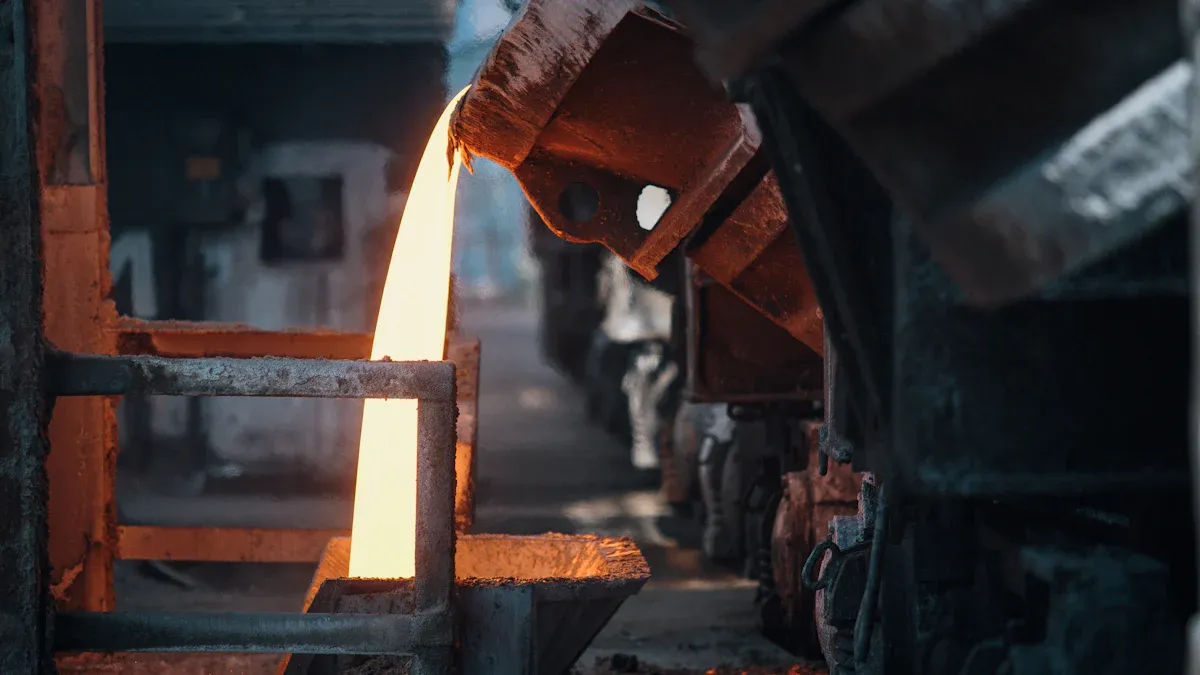
Artificial intelligence (AI) and machine learning (ML) are transforming aluminum die casting. These technologies analyze vast amounts of data to identify patterns and predict outcomes. You can use AI to optimize casting parameters, such as temperature and injection speed, ensuring consistent quality. ML algorithms can also detect defects early by analyzing production data, reducing waste and improving efficiency.
Predictive maintenance is another benefit of AI. By monitoring equipment performance, AI can alert you to potential issues before they cause downtime. This proactive approach minimizes disruptions and extends the lifespan of your machinery. Partnering with Aluminum Die Casting Services that utilize AI and ML can give you a competitive edge in 2025.
IoT for Real-Time Monitoring and Process Optimization
The Internet of Things (IoT) connects devices and systems, enabling real-time monitoring of your casting operations. Sensors installed on equipment can track variables like temperature, pressure, and cycle times. You can access this data remotely, allowing you to make quick adjustments and maintain optimal conditions.
IoT also supports process optimization. By analyzing data trends, you can identify inefficiencies and implement improvements. For example, you might discover that adjusting cooling times reduces energy consumption. IoT-enabled systems ensure you stay informed and in control, enhancing both productivity and quality.
Sustainable Practices and Eco-Friendly Materials
Sustainability is becoming a priority in manufacturing. You can adopt eco-friendly practices by using recycled aluminum and reducing energy consumption. Advanced furnaces and energy-efficient equipment help lower your carbon footprint.
Eco-friendly materials, such as biodegradable lubricants, further support sustainability. These materials reduce environmental impact without compromising performance. By embracing sustainable practices, you not only meet regulatory requirements but also appeal to environmentally conscious customers.
Heat Treatment and Die Coatings for Mold Longevity
Heat treatment and specialized die coatings improve mold durability. Heat treatment strengthens molds, making them resistant to wear and thermal stress. This process ensures your molds last longer, reducing replacement costs.
Die coatings, such as ceramic or titanium-based layers, protect molds from corrosion and abrasion. These coatings also enhance the flow of molten aluminum, improving part quality. Regularly treating and coating your molds ensures consistent performance and reduces downtime caused by maintenance.
Tip: Consult with experts to select the best heat treatment and coating options for your molds. This investment pays off in the long run by improving efficiency and reducing costs.
Practical Tips for Success
Collaborating with Reliable Aluminum Die Casting Services
Partnering with dependable Aluminum Die Casting Services ensures consistent quality and efficiency in your operations. These services bring expertise in mold design, material selection, and process optimization. They help you avoid common pitfalls, such as defects or excessive scrap rates.
When choosing a service provider, evaluate their track record and client reviews. Look for companies that offer advanced technologies like AI-driven monitoring or IoT-enabled systems. Reliable partners also provide valuable insights into cost-saving strategies and sustainable practices. Building a strong relationship with a trusted provider sets the foundation for long-term success.
Applying Design for Manufacturing (DFM) Principles
Design for Manufacturing (DFM) principles simplify production and reduce costs. By designing components with manufacturing in mind, you avoid unnecessary complexity. Focus on features that streamline mold creation and material flow.
Use CAD software to test your designs before production. Simulations help identify potential issues, such as uneven cooling or material waste. Collaborating with engineers ensures your designs align with DFM principles. This approach improves efficiency and minimizes defects, saving time and resources.
Investing in Employee Training and Skill Development
Skilled employees are essential for maintaining high-quality production. Invest in training programs to enhance their knowledge of aluminum die casting techniques. Teach them how to operate advanced machinery and monitor process parameters.
Regular workshops keep your team updated on industry advancements. Encourage them to share insights and suggest improvements. A well-trained workforce reduces errors and boosts productivity. Prioritizing skill development creates a culture of excellence within your organization.
Staying Updated on Industry Trends and Standards
The aluminum die casting industry evolves rapidly. Stay informed about new technologies, materials, and regulations. Subscribe to industry publications and attend trade shows to learn from experts.
Monitor changes in environmental standards and customer preferences. Adopting sustainable practices and eco-friendly materials keeps you competitive. Staying updated ensures you adapt to market demands and maintain compliance. Knowledge of trends positions you as a leader in the industry.
Optimizing aluminum die casting improves cost efficiency, quality, and defect reduction. Advanced technologies like AI and IoT will reshape manufacturing in 2025, offering smarter solutions. Adopting these strategies positions you for long-term success. Start implementing these practices today to stay competitive and meet the demands of tomorrow’s market.
Tip: Begin by evaluating your current processes and identifying areas for improvement.
FAQ
What industries benefit the most from aluminum die casting?
Automotive, aerospace, and electronics industries benefit significantly. Aluminum die casting produces lightweight, durable, and corrosion-resistant components essential for these sectors.
How can you reduce defects in aluminum die casting?
Focus on stabilizing process parameters, optimizing mold design, and implementing rigorous quality control measures. These steps ensure consistent production and minimize defects.
Is aluminum die casting environmentally friendly?
Yes, aluminum is recyclable without losing its properties. Using recycled aluminum and energy-efficient equipment supports sustainable manufacturing practices. ♻️
Tip: Partner with eco-conscious aluminum die casting services to enhance sustainability efforts.
Post time: May-09-2025