
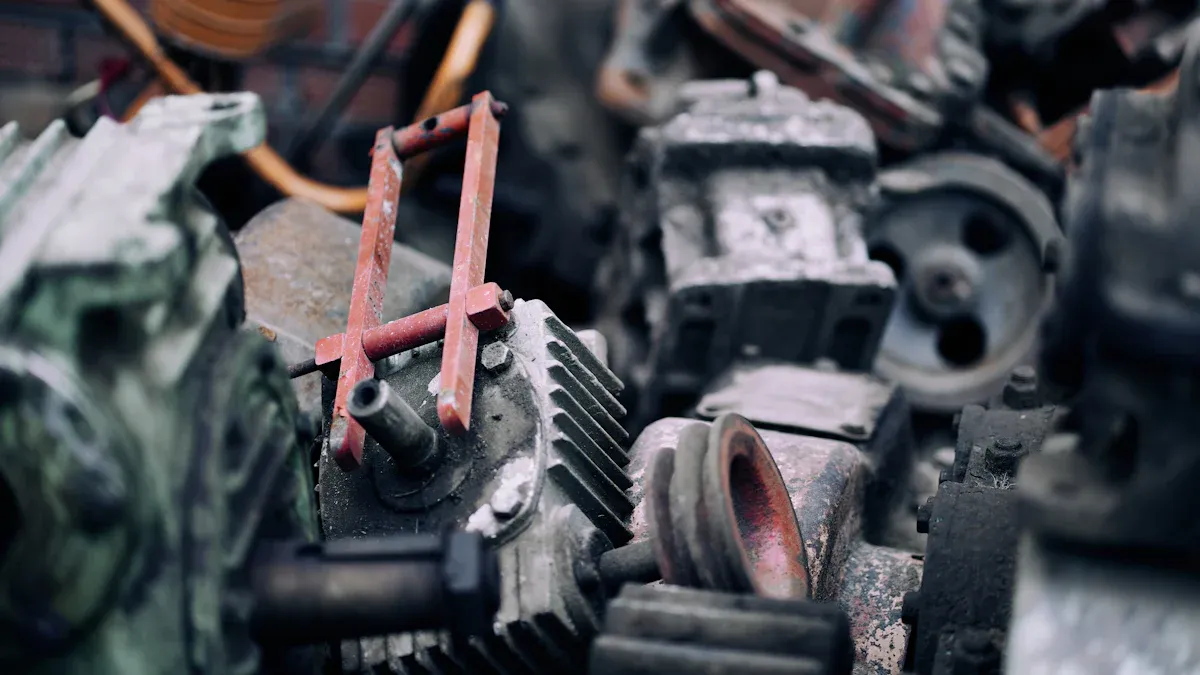
Aluminum casting improve gearbox performance by reducing weight and boosting strength. Many industries choose Aluminum casting gear boxes housing for its ability to handle heat and resist wear. OEM aluminum casting improve gearbox life by allowing for more precise and flexible designs. Gearboxes made with these methods often last longer and work more efficiently.
Key Takeaways
- Aluminum casting makes gearboxes lighter, which helps machines use less energy and work faster.
- Aluminum moves heat away quickly, keeping gearboxes cool and preventing damage from overheating.
- Aluminum casting creates strong, rust-resistant gearboxes that last longer in tough conditions.
- This casting method allows for flexible and precise designs, fitting gearboxes into tight spaces and adding custom features.
- Gearboxes made with aluminum casting need less maintenance and run more smoothly, saving time and costs.
Key Ways Aluminum Casting Improve Gearbox Performance
Weight Reduction and Efficiency Gains
Aluminum casting improve gearbox performance by making gearboxes lighter. Engineers choose aluminum because it weighs much less than steel or iron. Lighter gearboxes help machines use less energy. This means engines do not have to work as hard. Vehicles with lighter gearboxes can move faster and use less fuel. Workers find it easier to install and handle these gearboxes. Many industries see better efficiency and lower costs because of this weight reduction.
Tip: Lighter gearboxes can also reduce wear on other machine parts, leading to longer equipment life.
Superior Heat Dissipation Capabilities
Aluminum casting improve gearbox performance by helping gearboxes stay cool. Aluminum moves heat away from gears and bearings much faster than other metals. This keeps the gearbox from overheating during heavy use. When gearboxes stay cool, they last longer and work better. Heat can damage oil and cause parts to wear out quickly. Aluminum helps prevent these problems by spreading heat evenly.
- Aluminum gearboxes often run at lower temperatures.
- Lower temperatures mean less risk of breakdowns.
- Machines can work longer without stopping for repairs.
Enhanced Corrosion and Wear Resistance
Gearboxes face tough conditions, including water, chemicals, and dirt. Aluminum casting improve gearbox life by making housings that resist rust and corrosion. Aluminum forms a thin layer on its surface that protects it from damage. This layer keeps water and chemicals from reaching the metal underneath. Gearboxes made with aluminum casting last longer in harsh environments.
| Feature | Benefit |
|---|---|
| Corrosion resistance | Longer service life |
| Wear resistance | Fewer repairs needed |
| Protective surface | Less damage from the elements |
Note: Aluminum gearboxes often need less maintenance because they resist rust and wear so well.
Greater Design Flexibility
Aluminum casting gives engineers more freedom when designing gearboxes. This process allows for complex shapes and thin walls that other materials cannot achieve. Designers can create housings with special channels for cooling or extra support where needed. They can also add mounting points or custom features without extra steps.
- Engineers can change the shape of the gearbox housing to fit tight spaces.
- They can add ribs or supports to make the housing stronger.
- Custom openings for wires or sensors become easier to include.
Note: Aluminum casting improve gearbox performance by letting manufacturers respond quickly to new design needs or changes in technology.
Many industries need gearboxes that fit into unique machines. Aluminum casting helps companies make small batches or prototypes without high costs. This flexibility means gearboxes can match the exact needs of each application. As a result, machines work better and last longer.
Aluminum Casting Improve Gearbox Strength and Durability
High Strength-to-Weight Ratio
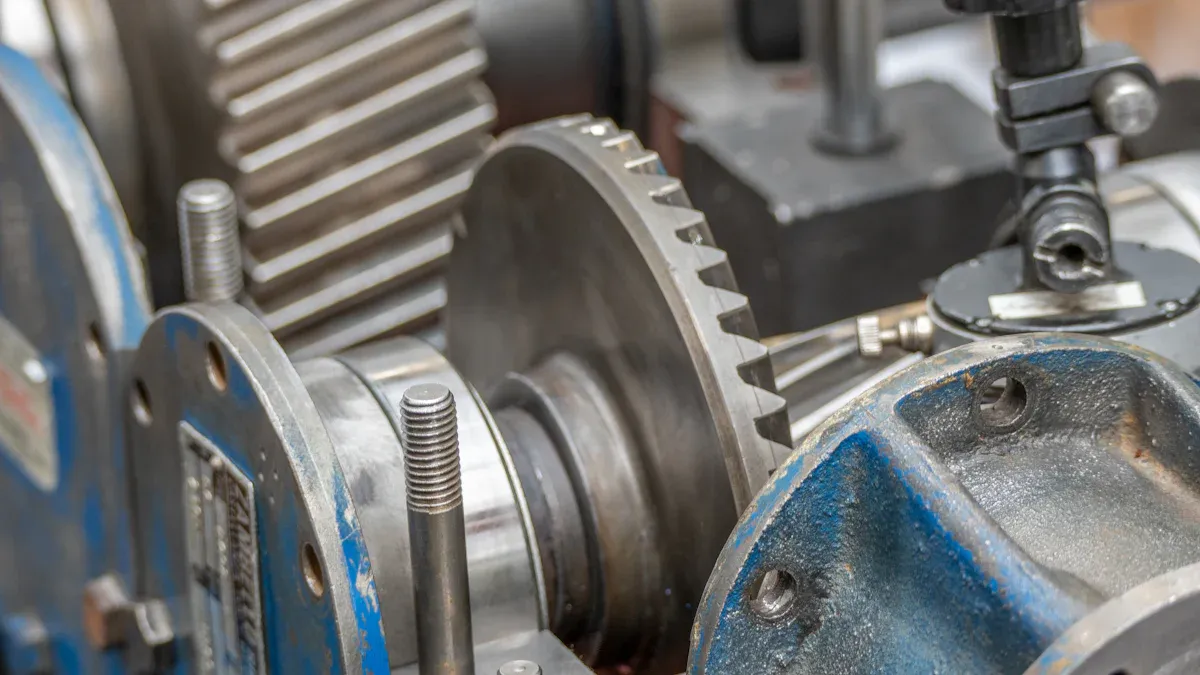
Aluminum casting improve gearbox strength by providing a high strength-to-weight ratio. Engineers select aluminum alloys that offer strong support without adding extra weight. This balance allows gearboxes to handle heavy loads while staying light. Many industries value this feature because it helps machines run faster and more efficiently. A lighter gearbox also puts less stress on other machine parts.
Note: A high strength-to-weight ratio means gearboxes can be both tough and easy to handle.
Improved Fatigue and Wear Resistance
Gearboxes often face repeated stress and movement. Aluminum casting creates parts that resist fatigue and wear. The casting process forms a dense, uniform structure. This structure helps gearboxes last longer, even under constant use. Aluminum alloys also resist cracking and surface damage. As a result, gearboxes maintain their performance over time.
- Gearboxes with improved fatigue resistance need fewer repairs.
- Wear-resistant surfaces protect gears and bearings from damage.
- Machines can operate longer between maintenance checks.
Longevity in Demanding Applications
Many industries use gearboxes in harsh environments. Aluminum casting improve gearbox durability by making housings that stand up to heat, vibration, and moisture. These gearboxes keep working in factories, vehicles, and outdoor equipment. The long service life reduces downtime and replacement costs. Companies trust aluminum cast gearboxes for critical tasks.
| Application Area | Benefit of Aluminum Casting |
|---|---|
| Automotive | Longer-lasting transmissions |
| Industrial Machinery | Reliable operation under stress |
| Outdoor Equipment | Resistance to weather and dirt |
Tip: Choosing aluminum casting for gearboxes helps companies meet tough performance standards.
Aluminum Casting Improve Gearbox Housing with Advanced Processes
High Pressure Die Casting Advantages
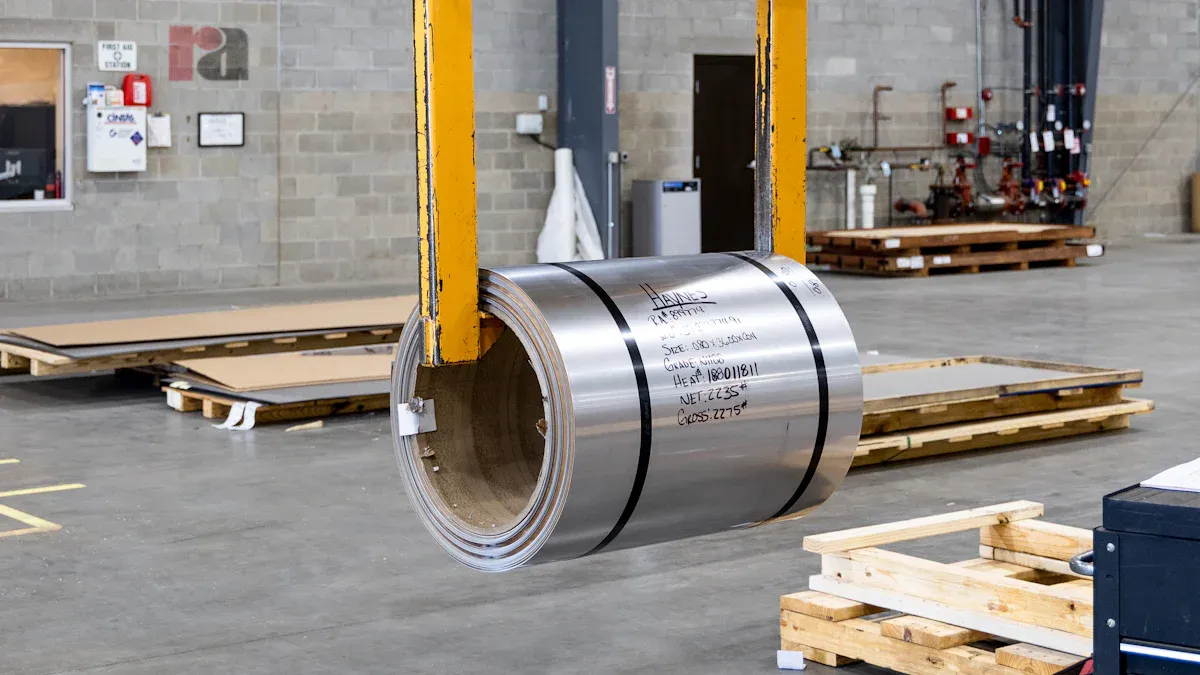
High pressure die casting creates precise and strong gearbox housings. This process injects molten aluminum into a steel mold at high speed and pressure. The result is a dense and accurate part. Manufacturers use this method to make large numbers of identical gearboxes. Each housing comes out with smooth surfaces and tight tolerances. These features help reduce leaks and noise in gearboxes.
- High pressure die casting supports thin walls and complex shapes.
- The process produces parts with excellent surface finish.
- Gearbox housings made this way need less machining.
Note: High pressure die casting works best for high-volume production. It helps companies save time and money when making many gearboxes.
Gravity Die Casting Benefits
Gravity die casting uses gravity to fill the mold with molten aluminum. This method creates strong and reliable gearbox housings. The process works well for medium-sized production runs. Gravity die casting gives better control over the metal flow. This control leads to fewer defects and a more uniform structure.
| Feature | Benefit |
|---|---|
| Controlled metal flow | Fewer air pockets |
| Thicker wall sections | Increased strength |
| Reusable molds | Consistent quality |
Engineers choose gravity die casting for gearboxes that need extra durability. The process allows for thicker walls and reinforced areas. These features help gearboxes handle heavy loads and tough conditions.
Sand Casting Applications
Sand casting offers flexibility for custom and large gearbox housings. Workers pack sand around a pattern to form the mold. This method suits low-volume production and prototypes. Sand casting handles large or unusual shapes that other methods cannot produce easily.
- Sand casting supports quick changes in design.
- The process works with many aluminum alloys.
- Large gearboxes for industrial machines often use sand casting.
Tip: Sand casting helps companies test new gearbox designs before starting mass production. This approach reduces risk and speeds up development.
Mechanical and Structural Benefits from Aluminum Casting Improve Gearbox
Increased Dimensional Precision
Aluminum casting allows manufacturers to achieve high dimensional accuracy in gearbox components. This precision ensures that each part fits together perfectly. Tight tolerances help reduce vibration and noise during operation. Engineers can design gearboxes with exact measurements, which leads to smoother gear movement. Consistent part sizes also make assembly faster and more reliable.
- Accurate dimensions improve gear alignment.
- Uniform parts reduce the risk of leaks.
- Precise casting lowers the chance of assembly errors.
Note: Dimensional precision helps gearboxes perform better and last longer.
Enhanced Reliability Under Stress
Gearboxes often face heavy loads and sudden shocks. Aluminum casting creates strong housings that protect internal parts. The casting process forms a solid structure with fewer weak spots. This strength helps gearboxes handle stress without cracking or deforming. Aluminum alloys also resist damage from repeated use.
| Stress Factor | Aluminum Casting Benefit |
|---|---|
| Heavy loads | Maintains shape and strength |
| Sudden impacts | Absorbs and spreads force |
| Continuous use | Reduces risk of failure |
Engineers trust aluminum cast gearboxes in demanding environments. These gearboxes keep working even when conditions get tough.
Lower Maintenance Requirements
Aluminum casting reduces the need for frequent maintenance. The smooth surfaces from casting prevent dirt and debris from sticking. Corrosion resistance keeps the housing clean and free from rust. Gearboxes made with aluminum casting need fewer repairs and less downtime.
- Fewer breakdowns mean lower repair costs.
- Longer service intervals save time for workers.
- Machines stay productive for longer periods.
Tip: Choosing aluminum casting for gearboxes helps companies lower maintenance budgets and improve equipment reliability.
Overall Impact of Aluminum Casting Improve Gearbox Efficiency
Smoother Operation and Reduced Energy Loss
Aluminum casting gives gearboxes a smoother operation. The precise casting process creates parts with tight tolerances. These accurate parts fit together well and reduce friction between moving components. Less friction means the gearbox runs quietly and with less vibration. Machines that use aluminum cast gearboxes often show improved performance.
Energy loss in gearboxes often comes from friction and heat. Aluminum’s smooth surfaces help gears turn with less resistance. This efficiency allows more power to reach the output. Vehicles and machines can move faster and use less fuel or electricity.
- Benefits of smoother operation:
- Lower noise levels
- Less vibration
- More consistent performance
Tip: Smoother gear movement also protects internal parts from early wear.
A gearbox that loses less energy works better in every application. Companies see lower operating costs and longer machine life.
Better Thermal Management for Extended Service Life
Aluminum casting improves thermal management in gearboxes. Aluminum moves heat away from gears and bearings quickly. This property keeps the gearbox at a safe temperature during heavy use. When gearboxes stay cool, the oil inside lasts longer and protects the gears better.
Good thermal management prevents overheating. Overheated gearboxes can break down or need repairs. Aluminum cast housings help avoid these problems. Machines can run for longer periods without stopping.
| Feature | Impact on Gearbox Life |
|---|---|
| Fast heat transfer | Reduces risk of overheating |
| Stable temperatures | Extends oil and part life |
| Even heat distribution | Prevents hot spots |
Note: Gearboxes with better thermal management need less maintenance and have fewer breakdowns.
Aluminum casting helps gearboxes work harder and last longer. This advantage supports industries that demand reliable and efficient machines.
Aluminum casting improve gearbox performance by delivering strong, lightweight housings with excellent heat control. Engineers trust this process for its precise manufacturing and reliable results. Many industries benefit from gearboxes that last longer and work more efficiently. Companies see fewer breakdowns and lower maintenance costs. Aluminum casting improve gearbox reliability in demanding environments. This technology supports better machines across automotive, industrial, and outdoor applications.
FAQ
What makes aluminum casting better than steel for gearboxes?
Aluminum casting creates lighter gearboxes. This reduces energy use and makes installation easier. Aluminum also resists corrosion better than steel. Many industries prefer aluminum for its balance of strength, weight, and durability.
How does aluminum casting affect gearbox maintenance?
Aluminum casting produces smooth surfaces that resist dirt and rust. Gearboxes need fewer repairs and less cleaning. Workers spend less time on maintenance. Machines stay in service longer.
Can aluminum cast gearboxes handle heavy loads?
Engineers design aluminum cast gearboxes with strong alloys. These gearboxes support heavy loads in many applications. The high strength-to-weight ratio helps them perform well in demanding environments.
Is aluminum casting suitable for custom gearbox designs?
Aluminum casting allows for complex shapes and custom features. Designers can create unique housings for special machines. This flexibility supports rapid prototyping and small production runs.
Does aluminum casting improve gearbox cooling?
Aluminum transfers heat quickly. Gearboxes made with aluminum casting stay cooler during operation. This helps prevent overheating and extends the life of gears and bearings.
Post time: Jun-19-2025