
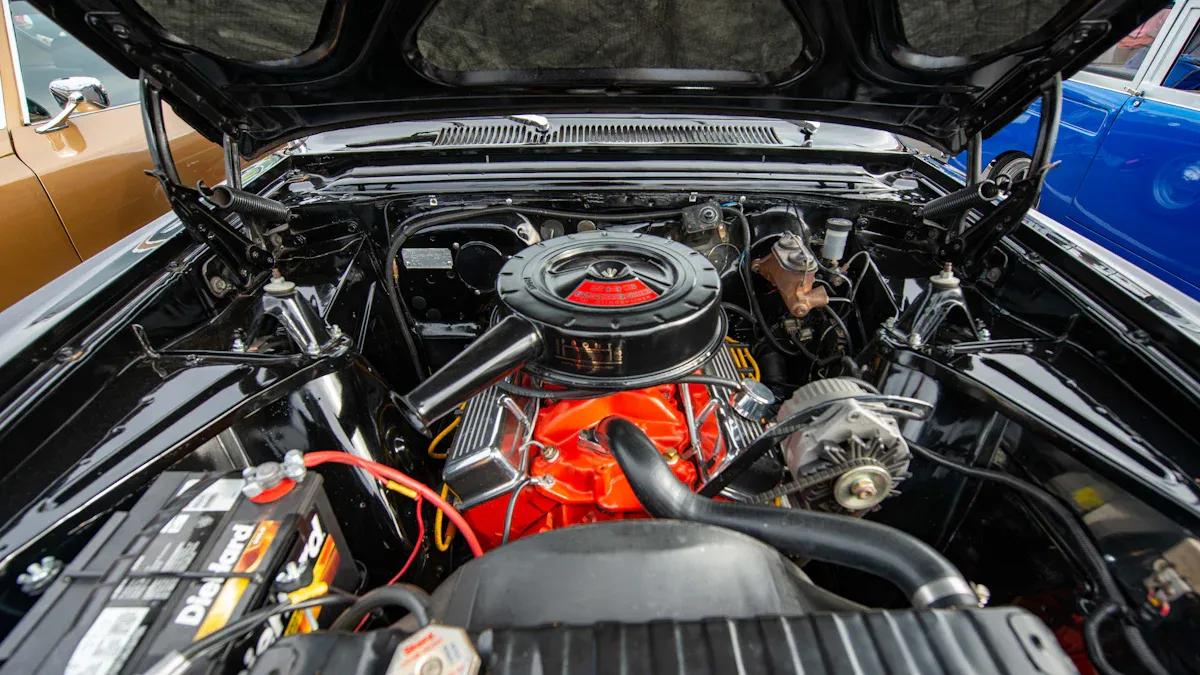
When you choose auto parts engine block casting, you decide how strong your engine will be. You rely on OEM auto parts engine block casting to create tough, reliable engines. A trusted Die Cast Engine Block Manufacturer and Supplier shapes blocks that resist heat and pressure every time you drive.
Key Takeaways
- Engine block casting shapes the engine’s core and builds its strength by pouring molten metal into molds that form a solid, durable block.
- Choosing the right casting method and material, like sand or die casting and cast iron or aluminum, affects engine durability, weight, and performance.
- Quality control and defect prevention during casting ensure strong, reliable engine blocks that last and perform well under stress.
Auto Parts Engine Block Casting and Engine Strength
What Is Engine Block Casting?
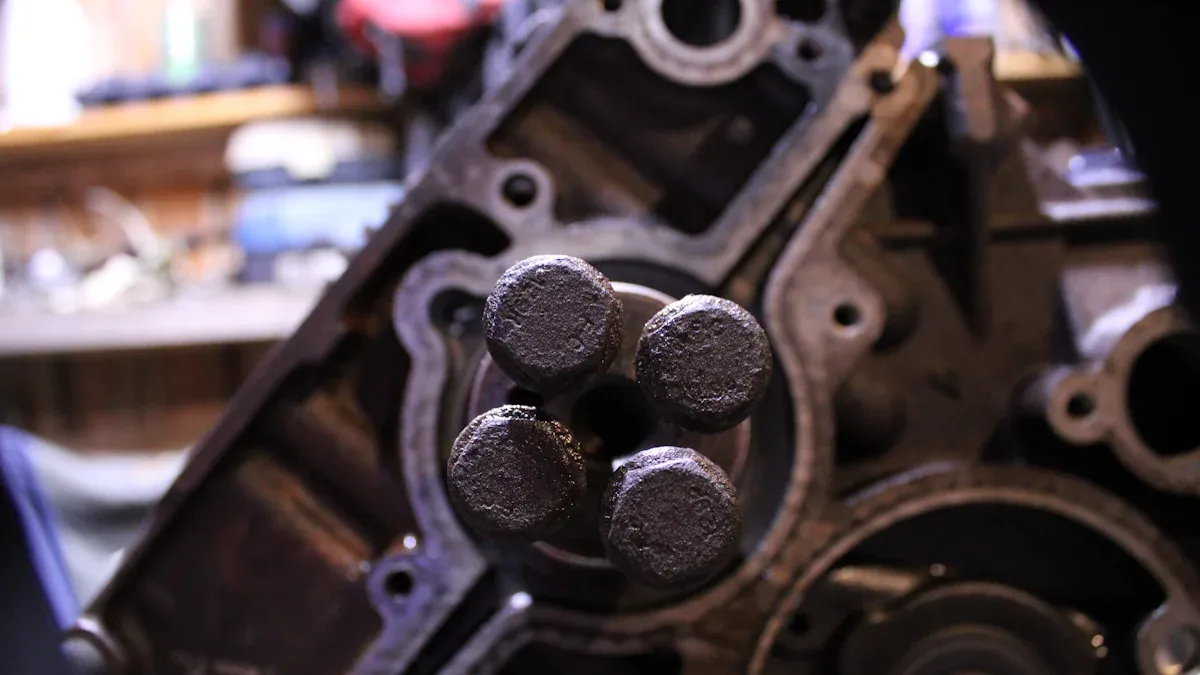
You may wonder how your car’s engine block gets its shape and strength. Engine block casting is the process where manufacturers pour molten metal into a mold. This mold forms the main body of your engine. The process creates the foundation for all the moving parts inside your engine.
When you look at auto parts engine block casting, you see a method that shapes the heart of your vehicle. The mold includes spaces for cylinders, coolant passages, and oil channels. After the metal cools and hardens, workers remove the mold. You get a solid engine block ready for machining and assembly.
Tip: The quality of the casting process affects how well your engine performs and how long it lasts.
How Casting Shapes Engine Durability
You want your engine to last for years. The way manufacturers cast the engine block plays a big role in this. Auto parts engine block casting gives the block its strength and ability to handle stress. If the casting has no cracks or weak spots, your engine can handle high temperatures and heavy loads.
Here are some ways casting improves engine durability:
- Uniform Structure: Good casting creates a block with even strength throughout. This helps prevent weak points.
- Defect Control: Careful casting reduces the chance of air pockets or impurities. These defects can cause cracks or failures.
- Material Choice: The casting process lets you use strong metals like cast iron or aluminum alloys. These materials resist wear and heat.
You depend on auto parts engine block casting to give your engine the toughness it needs. When the casting process works well, your engine block stands up to daily driving and tough conditions.
Casting Methods and Materials for Strong Engine Blocks
Sand Casting vs. Die Casting in Auto Parts Engine Block Casting
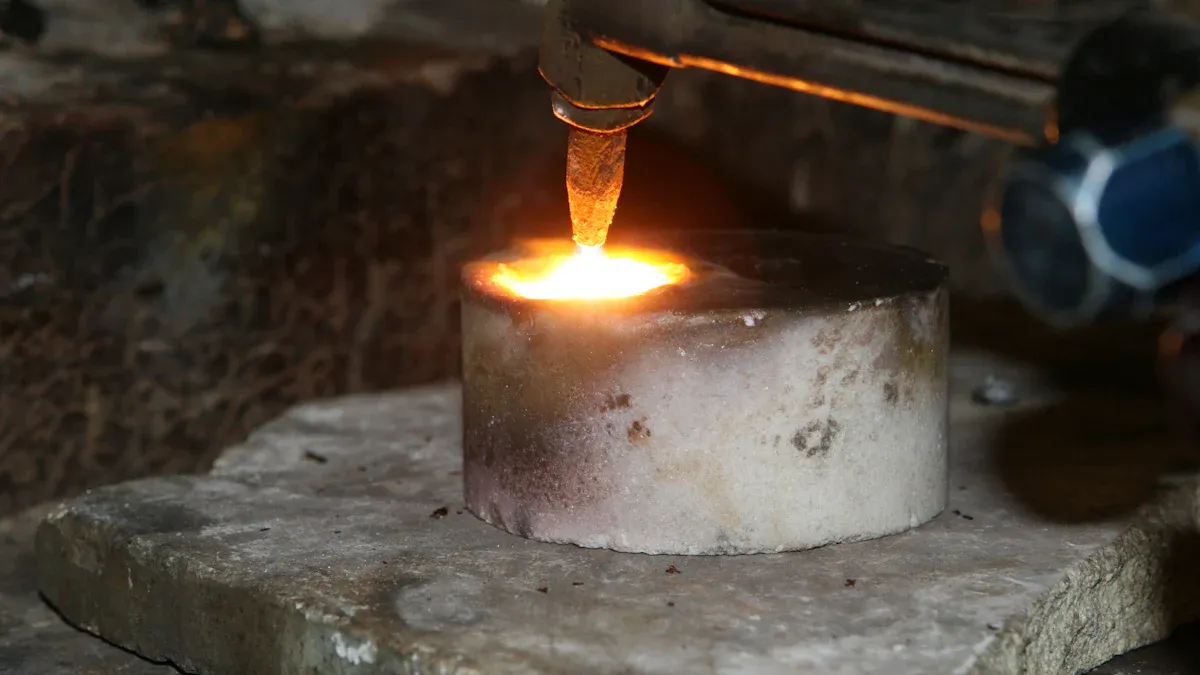
You can choose between sand casting and die casting when you make engine blocks. Each method has its own strengths. Sand casting uses a mold made from sand. You pour molten metal into the sand mold. This method works well for large engine blocks and small production runs. You can change the mold easily if you need a new design.
Die casting uses a metal mold. You inject molten metal into the mold under high pressure. This method gives you smooth surfaces and tight tolerances. Die casting works best for high-volume production. You get engine blocks that look the same every time.
Here is a quick comparison:
| Feature | Sand Casting | Die Casting |
|---|---|---|
| Mold Material | Sand | Metal |
| Surface Finish | Rougher | Smoother |
| Production Size | Small to Medium | Large |
| Cost | Lower for small runs | Lower for big runs |
| Flexibility | High | Lower |
Note: You should pick the casting method that matches your needs. Sand casting gives you more flexibility. Die casting gives you more precision.
Material Choices: Cast Iron and Aluminum Alloys
You need to pick the right material for your engine block. Most engine blocks use cast iron or aluminum alloys. Cast iron gives you strength and durability. It handles heat well and resists wear. Many heavy-duty engines use cast iron blocks.
Aluminum alloys give you a lighter engine block. This helps your car use less fuel. Aluminum also cools faster than cast iron. Many modern cars use aluminum engine blocks for better performance and efficiency.
Here are some key points:
- Cast Iron: Strong, heavy, good for high-stress engines.
- Aluminum Alloys: Light, cools quickly, good for fuel efficiency.
You should think about what you want from your engine. If you need strength, choose cast iron. If you want a lighter engine, choose aluminum.
Precision, Consistency, and Defect Prevention
You want your engine block to last a long time. Precision and consistency in auto parts engine block casting help you get there. When you use precise molds and control the casting process, you get engine blocks with fewer defects. Consistent casting means every engine block meets the same high standards.
Defect prevention is very important. Air pockets, cracks, or impurities can weaken your engine block. You can avoid these problems by using clean materials, careful temperature control, and regular inspections.
Tip: Always check for defects before you use an engine block. A small flaw can lead to big problems later.
You can trust a strong engine block when you use the right casting method, the best material, and strict quality checks. This is how auto parts engine block casting builds engines that last.
You build engine strength by choosing the right casting method, material, and quality checks. Auto parts engine block casting gives you durable and reliable engines.
Remember, strong engine blocks help your car perform well for years.
FAQ
What is the main benefit of using die casting for engine blocks?
Die casting gives you smooth surfaces and tight tolerances. You get consistent quality in every engine block.
How do you check for defects in an engine block?
You can use visual inspections, X-rays, or ultrasonic testing. These methods help you find cracks, air pockets, or impurities.
Why do some engines use aluminum instead of cast iron?
- Aluminum makes your engine lighter.
- Your car uses less fuel.
- Aluminum cools faster than cast iron.
Post time: Jul-12-2025