
You want the best performance from your OEM lawn mower parts. Choose aluminum die – cast agricultural machinery accessories that meet strict standards. Reliable suppliers use wear – resistant die – cast parts. Certified materials and clear communication help you get strong, long-lasting components for your equipment.
Key Takeaways
- Choose high-quality aluminum alloys like A380, ADC12, or AlSi9Cu3 to ensure strong, corrosion-resistant, and lightweight lawn mower parts that last longer and perform better.
- Always ask suppliers for material certificates, test reports, and proof of industry standard compliance to guarantee reliable and safe parts for your equipment.
- Work closely with suppliers on design, surface finishes, and clear communication to customize parts that fit your needs, avoid mistakes, and control costs effectively.
Material Selection for OEM Lawn Mower Parts
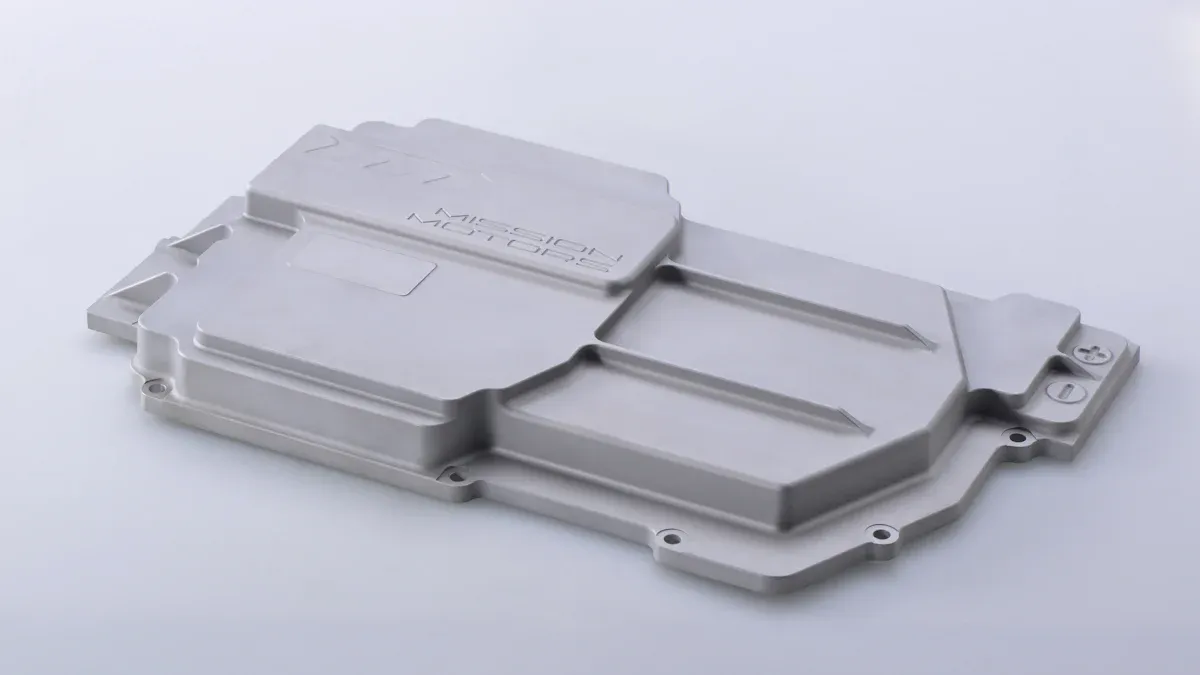
Best Aluminum Alloys for Lawn Mower Parts
You want your lawn mower to last. The right aluminum alloy makes a big difference. Most OEM lawn mower parts use alloys like A380, ADC12, and AlSi9Cu3. These alloys offer a good mix of strength, weight, and cost.
- A380: This alloy gives you high strength and good casting ability. Many manufacturers choose it for engine covers and housings.
- ADC12: You get excellent fluidity and corrosion resistance. This alloy works well for parts that face moisture, like deck shells.
- AlSi9Cu3: This alloy provides a balance between strength and ductility. It is common in structural parts.
Tip: Ask your supplier which alloy they use for each part. The right choice can improve the performance of your OEM lawn mower parts.
Key Properties: Strength, Corrosion Resistance, Weight
When you pick aluminum die-cast parts, you should look at three main properties:
| Property | Why It Matters for Lawn Mowers |
|---|---|
| Strength | Handles impacts and heavy loads |
| Corrosion Resistance | Fights rust from grass and water |
| Weight | Makes the mower easier to push or drive |
Strong parts help your mower survive bumps and drops. Corrosion resistance keeps parts working longer, even in wet grass. Lightweight parts make your mower easier to use and save fuel or battery power.
Impact of Material Choice on Performance and Longevity
Your choice of material affects how long your mower lasts and how well it works. If you choose a high-quality alloy, your OEM lawn mower parts will resist wear and tear. They will also keep their shape and strength over time.
- Low-quality alloys may crack or corrode faster.
- Good alloys keep your mower running smoothly for years.
- The right material can lower repair costs and downtime.
Note: Always ask for material certificates from your supplier. This step helps you make sure you get the best value for your money.
Certified Materials and Industry Compliance
Importance of Material Certification
You should always check for material certification when buying parts. Certified materials show that the supplier follows strict quality rules. These certificates prove that the aluminum used in your parts meets safety and strength standards. You can ask your supplier for documents like ISO 9001 or IATF 16949. These certificates help you trust that your parts will last and perform well.
Tip: Always request a copy of the material certificate before you place an order. This step protects you from low-quality or fake materials.
Meeting Industry Standards and Regulations
Lawn mower parts must meet industry standards. These rules keep your equipment safe and reliable. Standards like ASTM, SAE, and EN set the bar for size, strength, and safety. You should ask your supplier which standards they follow. If your parts meet these rules, you lower the risk of failure or recalls.
- Check for compliance with local and international standards.
- Make sure your supplier tests every batch of parts.
- Review test reports for each shipment.
Environmental and Sustainability Considerations
You can help the planet by choosing parts made with eco-friendly methods. Many suppliers now use recycled aluminum and energy-saving processes. These steps reduce waste and lower pollution. You should ask your supplier about their green practices. Some companies even have certifications for environmental care, like ISO 14001.
Choosing sustainable parts supports a cleaner future for everyone.
Manufacturing Process and Supplier Quality
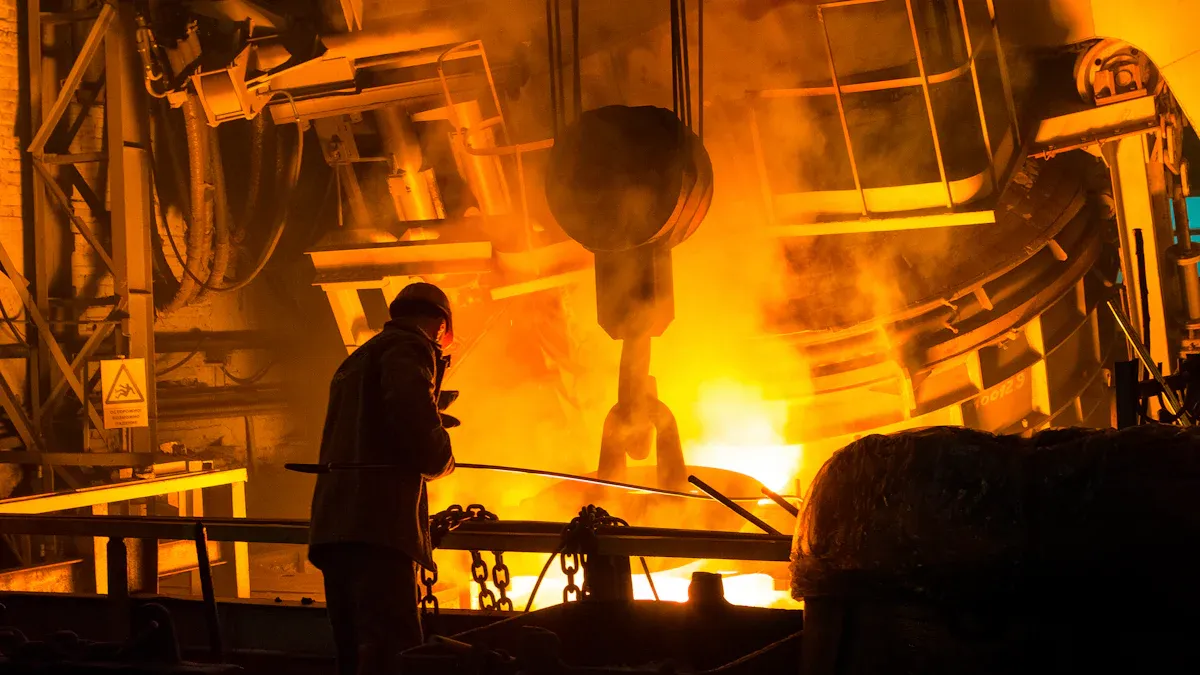
Overview of Aluminum Die-Casting Process
You need to know how aluminum die-casting works before you buy parts. The process starts with melting aluminum. Workers pour the liquid metal into a steel mold. The mold shapes the metal into the part you need. After cooling, the part comes out strong and ready for finishing. This method gives you parts with tight shapes and smooth surfaces. You get less waste and faster production compared to other methods.
Quality Assurance and Testing Protocols
You want every part to meet your standards. Good suppliers use strict quality checks at each step. They test the metal for purity before casting. After casting, they check the size and shape with special tools. Some suppliers use X-rays to find hidden cracks. Others use pressure tests to make sure the part will not break. You should ask your supplier about their testing steps.
Tip: Always request a sample report from your supplier. This report shows you how they test and what results they get.
Evaluating Supplier Capabilities and Track Record
You should look at a supplier’s history before you order. Check how long they have made aluminum die-cast parts. Ask for references from other buyers. Look for awards or certificates that show quality. A good supplier will share photos or videos of their factory. You can also visit their site if possible. This helps you see their machines and workers in action.
| What to Check | Why It Matters |
|---|---|
| Years in Business | Shows experience |
| Customer Reviews | Proves reliability |
| Certifications | Confirms quality |
OEM Lawn Mower Parts Customization Points
Design Flexibility and Engineering Support
You want your lawn mower to stand out in the market. Custom design options help you achieve this goal. Many suppliers offer flexible design services for OEM lawn mower parts. You can request changes in shape, size, or features. Some suppliers provide engineering support. Their experts help you solve design problems and improve part performance.
- You can send your own drawings or CAD files.
- You can ask for design suggestions to reduce weight or cost.
- You can work with engineers to test new ideas.
Tip: Choose a supplier who offers design reviews and technical advice. This support helps you avoid costly mistakes.
Surface Finishes and Coating Options
The right surface finish protects your parts and makes them look better. You can choose from several finishes for OEM lawn mower parts. Each finish offers different benefits.
| Finish Type | Benefit | Common Use |
|---|---|---|
| Powder Coating | Strong, even color | Decks, covers |
| Anodizing | Extra corrosion resistance | Exposed metal surfaces |
| Painting | Custom colors and branding | Visible parts |
| Polishing | Smooth, shiny appearance | Decorative components |
You can also ask for special coatings. Some coatings resist scratches or chemicals. Others help parts last longer in wet or dirty conditions.
Tolerances and Precision Requirements
Precision matters for every part you buy. Tight tolerances help your OEM lawn mower parts fit together perfectly. You should tell your supplier how exact each part must be. Some parts need very tight tolerances. Others can have more room for error.
- Ask for a tolerance chart for each part.
- Check if the supplier uses tools like CMM (Coordinate Measuring Machines) for inspection.
- Review sample parts before full production.
Note: Clear tolerance requirements help you avoid assembly problems and reduce waste.
Effective Communication with OEM Manufacturers
Good communication leads to better results. You should share your needs and expectations with your supplier. Clear drawings, detailed specifications, and regular updates help prevent mistakes.
- Set up regular meetings or calls.
- Use clear language and avoid technical jargon when possible.
- Ask for progress reports and photos during production.
If you have questions, ask them early. If you see a problem, report it right away. Fast feedback helps your supplier fix issues before they become costly.
Open and honest communication builds trust and leads to better OEM lawn mower parts.
Cost and Pricing Analysis for OEM Lawn Mower Parts
Factors Influencing Price of Die-Cast Parts
You will notice several factors that affect the price of die-cast parts. The choice of aluminum alloy can change the cost. Complex part designs often require more expensive molds. Order quantity also plays a big role. Large orders usually lower the price per part. Surface finishes and coatings add to the cost. Tight tolerances and special testing can increase the price as well.
| Factor | Impact on Price |
|---|---|
| Alloy Type | Higher grades cost more |
| Part Complexity | Complex shapes cost more |
| Order Quantity | Bigger orders cost less per part |
| Surface Finish | Special coatings add cost |
| Tolerance Level | Tighter specs cost more |
Strategies for Cost Optimization
You can take steps to control your costs. Choose standard alloys when possible. Simplify your part designs to reduce mold costs. Place larger orders to get better pricing. Select only the surface finishes you really need. Work closely with your supplier to find cost-saving ideas.
Tip: Ask your supplier for a breakdown of costs. This helps you see where you can save money.
Balancing Quality and Budget
You want to save money, but you also need reliable OEM lawn mower parts. Focus on the most important features for your parts. Do not cut corners on material quality or critical tolerances. Work with suppliers who offer both good prices and strong quality control. This balance helps you get the best value for your equipment.
Practical Buyer’s Checklist for OEM Lawn Mower Parts
Key Questions to Ask Suppliers
When you talk to a supplier, you want to make sure you get the right parts. Use these questions to guide your conversation:
- What aluminum alloy do you use for each part?
- Can you provide material certificates and test reports?
- Which industry standards do your parts meet?
- How do you check quality during production?
- What is your experience with similar projects?
- Can you support custom designs or changes?
- What surface finishes and coatings do you offer?
- How do you handle communication and updates?
- What is your lead time for orders?
- Can you share references from other customers?
Tip: Write down the answers you get. This helps you compare suppliers and make a smart choice.
Summary Table of Buying Considerations
You can use this table to review the most important points before you buy:
| Consideration | What to Check | Why It Matters |
|---|---|---|
| Material Quality | Alloy type, certificates | Ensures strength and life |
| Compliance | Industry standards, test reports | Meets safety rules |
| Supplier Experience | Years in business, references | Shows reliability |
| Customization | Design support, finish options | Fits your needs |
| Quality Control | Inspection steps, sample reports | Reduces defects |
| Communication | Updates, clear answers | Prevents mistakes |
| Pricing | Cost breakdown, order size | Helps manage your budget |
Review this checklist before you place your next order. Careful planning leads to better results.
You should focus on material selection, supplier quality, compliance, and customization when buying OEM lawn mower parts. Clear communication with your supplier helps you avoid mistakes. If you want the best results, ask an expert for advice. Smart choices keep your equipment running strong.
FAQ
What is the best way to verify the quality of aluminum die-cast lawn mower parts?
You should ask for material certificates and test reports. These documents show that your parts meet industry standards and pass quality checks.
How can you reduce costs when ordering custom OEM lawn mower parts?
You can choose standard alloys, simplify your designs, and order larger quantities. These steps help you save money without losing quality.
Why do you need to specify tolerances for each part?
Tolerances control how well parts fit together. Clear tolerances help you avoid assembly problems and reduce waste in your production process.
Post time: Jul-16-2025