
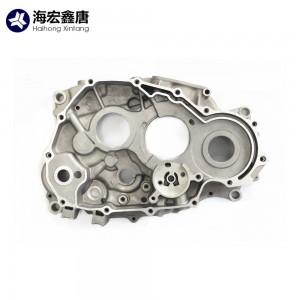
Manufacturers select ADC12 for casting motor engine cover solutions because this alloy delivers impressive performance. The Aluminum precision casting process creates parts that offer high strength and durability. ADC12 engine covers resist corrosion and manage heat well. These features help protect engines, improve fuel efficiency, and extend service life.
Key Takeaways
- ADC12 alloy offers strong, durable engine covers that protect vital parts from damage and last longer.
- The alloy manages heat well, helping engines stay cool and run efficiently for better performance.
- ADC12 resists rust and corrosion, reducing maintenance and keeping engine covers looking good over time.
- Using ADC12 lowers vehicle weight, which improves fuel efficiency and saves money on gas.
- Advanced manufacturing with ADC12 ensures precise, cost-effective engine covers that meet high quality standards.
Unique Properties of ADC12 Alloy in Casting Motor Engine Covers
High Strength and Durability
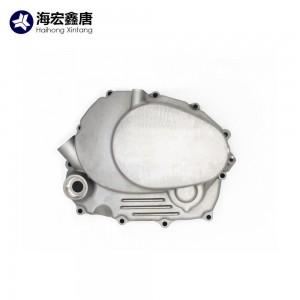
ADC12 alloy stands out for its impressive strength and durability. Engineers choose this material because it can handle the mechanical stresses found in automotive environments. The alloy’s composition includes aluminum, silicon, and copper, which work together to create a tough and resilient structure. This strength helps the casting motor engine cover protect vital engine components from impact and vibration.
Note: ADC12 engine covers maintain their shape and integrity even after years of use. This reliability reduces the risk of cracks or deformation, which can lead to costly repairs.
Manufacturers like HHXT use advanced high-pressure die casting methods. This process ensures each engine cover has a dense, uniform structure. The result is a product that resists wear and tear, even under harsh driving conditions.
Superior Thermal Conductivity
Efficient heat management is critical in modern engines. ADC12 alloy offers excellent thermal conductivity, which allows it to transfer heat away from the engine quickly. This property helps regulate engine temperature and prevents overheating.
- ADC12 dissipates heat more effectively than many other alloys.
- The engine cover acts as a barrier, shielding sensitive parts from excessive heat.
- Consistent temperature control leads to better engine performance and longer service life.
A well-designed casting motor engine cover made from ADC12 can help maintain optimal operating conditions. This benefit supports fuel efficiency and reduces the risk of engine damage.
Exceptional Corrosion Resistance
Automotive parts face constant exposure to moisture, road salts, and chemicals. ADC12 alloy provides outstanding corrosion resistance, making it ideal for engine covers. The alloy forms a natural oxide layer on its surface, which protects it from rust and chemical attack.
| Property | Benefit for Engine Covers |
|---|---|
| Natural oxide formation | Shields against rust and decay |
| Resistance to chemicals | Withstands harsh environments |
| Long-lasting finish | Maintains appearance and function |
Tip: Surface treatments such as powder coating or anodizing can further enhance the corrosion resistance of ADC12 engine covers.
This level of protection ensures that the engine cover remains effective and attractive throughout its lifespan. Vehicle owners benefit from reduced maintenance and greater peace of mind.
Precision and Castability
Precision and castability define the quality of any engine component. ADC12 alloy excels in both areas, making it a preferred choice for manufacturers like HHXT. The alloy’s unique composition allows for intricate designs and tight tolerances. This means every casting motor engine cover can match exact specifications, ensuring a perfect fit for each vehicle model.
Manufacturers use advanced high-pressure die casting technology to shape ADC12. This process creates engine covers with smooth surfaces and minimal defects. The result is a product that requires less machining and finishing. Engineers can design complex features, such as thin walls or detailed mounting points, without sacrificing strength.
Note: High castability reduces production time and material waste. This efficiency leads to cost savings for both manufacturers and customers.
HHXT’s production process highlights the benefits of ADC12’s castability:
- Mold making and die casting produce consistent shapes.
- CNC machining centers refine each part to precise measurements.
- Surface treatments enhance both appearance and protection.
A table below shows how ADC12’s castability compares to other common alloys:
| Alloy | Castability | Precision | Surface Finish |
|---|---|---|---|
| ADC12 | Excellent | High | Smooth |
| A380 | Good | Moderate | Good |
| AlSi9Cu3 | Good | Moderate | Good |
| Magnesium | Fair | Moderate | Fair |
Engineers trust ADC12 for casting motor engine cover applications because it delivers reliable results. The alloy’s ability to fill molds completely ensures that each cover meets strict quality standards. This precision supports the performance and longevity of modern engines.
Real-World Benefits for Casting Motor Engine Cover Applications
Enhanced Engine Protection and Service Life
ADC12 engine covers provide strong protection for vital engine parts. The high strength of the alloy shields the engine from impacts, debris, and vibration. This protection helps prevent damage that could lead to expensive repairs. The durable nature of ADC12 also means the cover lasts longer, even in tough driving conditions.
Manufacturers like HHXT design each cover to fit perfectly. This precise fit keeps dust, water, and other harmful elements away from the engine. As a result, the engine stays cleaner and works better for a longer time.
Note: A well-made engine cover can extend the life of the engine by reducing wear and tear on internal parts.
Weight Reduction and Improved Fuel Efficiency
Modern vehicles need to be lightweight to save fuel and reduce emissions. ADC12 alloy is much lighter than steel but still very strong. By using ADC12 for the casting motor engine cover, car makers can lower the overall weight of the vehicle.
A lighter engine cover means the engine does not have to work as hard to move the car. This leads to better fuel efficiency and helps drivers save money at the gas pump. Many car brands choose ADC12 covers for this reason.
Here is a simple comparison:
| Material | Weight | Strength | Fuel Efficiency Impact |
|---|---|---|---|
| Steel | Heavy | High | Low |
| ADC12 | Light | High | High |
| Magnesium | Very Light | Moderate | High |
Tip: Reducing vehicle weight is one of the easiest ways to improve fuel economy.
Consistent Performance in Demanding Environments
Engines face many challenges, such as extreme temperatures, moisture, and chemicals. ADC12 covers perform well in all these conditions. The alloy resists corrosion, so it does not rust or weaken when exposed to water or road salt. This makes it ideal for cars that drive in different climates.
The casting process also ensures each cover has a smooth surface and tight tolerances. This precision helps the engine run smoothly, even under heavy loads or high speeds. Drivers can trust that their engine will perform well, whether in city traffic or on long highway trips.
- ADC12 covers stay strong in hot and cold weather.
- The material does not crack or warp easily.
- The engine remains protected, no matter the environment.
Callout: Consistent performance means fewer breakdowns and less time spent on repairs.
Cost-Effective Production and Maintenance
ADC12 aluminum engine covers offer significant cost advantages for both manufacturers and vehicle owners. Companies like HHXT use advanced high-pressure die casting technology, which streamlines the production process. This method allows for rapid manufacturing of complex shapes with minimal material waste. As a result, factories can produce large quantities of engine covers efficiently.
Manufacturers benefit from several cost-saving factors:
- Efficient Material Usage: ADC12 alloy flows easily into molds. This property reduces scrap rates and ensures consistent quality.
- Reduced Machining Needs: The high precision of die casting means less time spent on secondary machining or finishing.
- Lower Energy Consumption: Aluminum alloys like ADC12 require less energy to process compared to steel, which helps lower production costs.
A table below highlights the main cost benefits:
| Cost Factor | ADC12 Engine Cover | Steel Engine Cover |
|---|---|---|
| Material Cost | Lower | Higher |
| Machining Time | Short | Long |
| Energy Consumption | Low | High |
| Production Speed | Fast | Slow |
| Maintenance Frequency | Low | Moderate |
Vehicle owners also see savings over the lifespan of their cars. ADC12 engine covers resist corrosion and wear, so they require fewer replacements. The lightweight design puts less strain on engine mounts and related parts, which can reduce repair costs.
Tip: Choosing an ADC12 engine cover can help lower both initial manufacturing expenses and long-term maintenance bills.
HHXT’s strict quality control further reduces the risk of defects. Each engine cover undergoes multiple inspections before shipping. This attention to detail means fewer warranty claims and less downtime for repairs.
Casting Motor Engine Cover: ADC12 vs. Other Alloys
Comparison with Other Aluminum Alloys
ADC12 stands out among aluminum alloys for its balance of strength, castability, and cost. Many manufacturers use A380 and AlSi9Cu3 for engine covers. These alloys offer good mechanical properties, but ADC12 provides better fluidity during casting. This property allows engineers to create complex shapes with fewer defects. ADC12 also resists corrosion more effectively than some other aluminum alloys. The result is a casting motor engine cover that lasts longer and needs less maintenance.
| Alloy | Strength | Castability | Corrosion Resistance | Cost |
|---|---|---|---|---|
| ADC12 | High | Excellent | Excellent | Low |
| A380 | High | Good | Good | Low |
| AlSi9Cu3 | Moderate | Good | Good | Low |
Note: ADC12’s superior castability helps reduce production time and material waste.
Comparison with Magnesium and Steel Alloys
Magnesium alloys weigh less than aluminum, but they do not match ADC12 in strength or corrosion resistance. Steel alloys offer high strength, but they add significant weight to the vehicle. ADC12 provides a strong, lightweight solution that supports better fuel efficiency. It also resists rust, unlike steel, and does not require heavy coatings for protection.
- Magnesium: Very light, moderate strength, less corrosion resistance.
- Steel: Very strong, heavy, prone to rust.
- ADC12: Light, strong, excellent corrosion resistance.
Engineers often select ADC12 for casting motor engine cover applications because it balances these important factors.
Distinct Advantages of ADC12
ADC12 offers several unique benefits for engine covers:
- High-pressure die casting creates precise, complex shapes.
- The alloy resists corrosion, even in harsh environments.
- Lightweight design improves vehicle performance.
- Cost-effective production lowers expenses for manufacturers.
Callout: ADC12 enables manufacturers to produce reliable, long-lasting engine covers that meet modern automotive standards.
ADC12 Casting Motor Engine Cover for Modern Engine Designs
Compatibility with Advanced Manufacturing Techniques
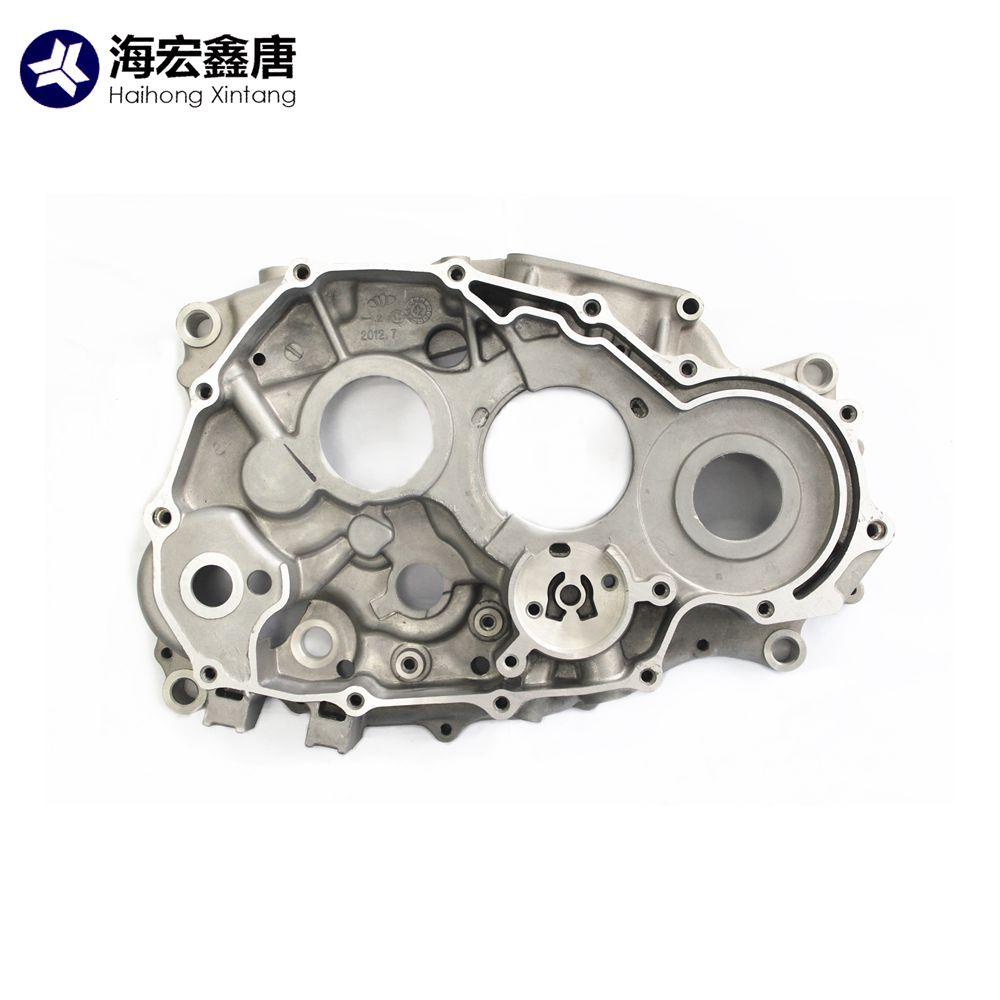
Modern engine designs demand components that match advanced manufacturing processes. ADC12 aluminum alloy fits perfectly into this environment. Manufacturers like HHXT use high-pressure die casting to shape ADC12 into precise engine covers. This method allows for complex shapes and thin walls, which are important for today’s compact engines.
CNC machining centers refine each part to exact measurements. These machines ensure that every engine cover meets strict tolerances. The process reduces the need for extra finishing work. As a result, production becomes faster and more efficient.
Surface treatments, such as powder coating and anodizing, add extra protection and improve appearance. These treatments help the engine cover resist corrosion and wear. Manufacturers can also customize the surface to match different vehicle styles.
Note: Advanced manufacturing techniques help companies produce engine covers that are both strong and lightweight.
Meeting Industry Standards and Quality Requirements
Automotive parts must meet high standards for safety and performance. ADC12 engine covers pass strict tests before reaching customers. HHXT follows international certifications like ISO9001:2008 and IATF16949. These certifications show a commitment to quality and reliability.
Each engine cover goes through multiple inspections during production. Quality control teams check for defects, measure dimensions, and test strength. This careful process ensures that every part meets customer requirements.
A table below shows key quality checks:
| Quality Check | Purpose |
|---|---|
| Dimensional Testing | Ensures proper fit |
| Strength Testing | Confirms durability |
| Surface Inspection | Checks for smooth finish |
| Corrosion Testing | Verifies resistance |
Manufacturers also offer customization for different car models. This flexibility helps meet the needs of modern vehicles. Customers receive engine covers that fit perfectly and perform reliably.
ADC12 casting motor engine covers offer strong protection, excellent heat control, and long-lasting resistance to corrosion. Manufacturers see lower costs and higher reliability with these covers. Vehicle owners enjoy better engine performance and longer service life.
- These covers fit modern engines and meet strict quality standards.
Choosing ADC12 for a casting motor engine cover gives both manufacturers and drivers a smart, dependable solution.
FAQ
What makes ADC12 alloy ideal for motor engine covers?
ADC12 alloy offers high strength, excellent castability, and strong corrosion resistance. These properties help protect engines and ensure long-lasting performance. Manufacturers like HHXT rely on ADC12 for reliable, lightweight engine covers.
Can ADC12 engine covers fit different car models?
Yes. HHXT customizes ADC12 engine covers to match various vehicle models, including Toyota and Audi. The company uses precise manufacturing techniques to ensure each cover fits perfectly.
How does ADC12 improve fuel efficiency?
ADC12 alloy weighs less than steel. This lightweight property reduces the overall vehicle weight. Lower weight helps engines use less fuel, which improves fuel efficiency.
What surface treatments are available for ADC12 engine covers?
Manufacturers offer several surface treatments:
- Powder coating
- Anodizing
- Painting
- Polishing
These treatments enhance corrosion resistance and improve appearance.
How does HHXT ensure the quality of ADC12 engine covers?
HHXT uses strict quality control. Each engine cover undergoes multiple inspections, including dimensional checks and strength tests. The company holds ISO9001:2008 and IATF16949 certifications, which show a commitment to high standards.
Post time: Jun-25-2025