
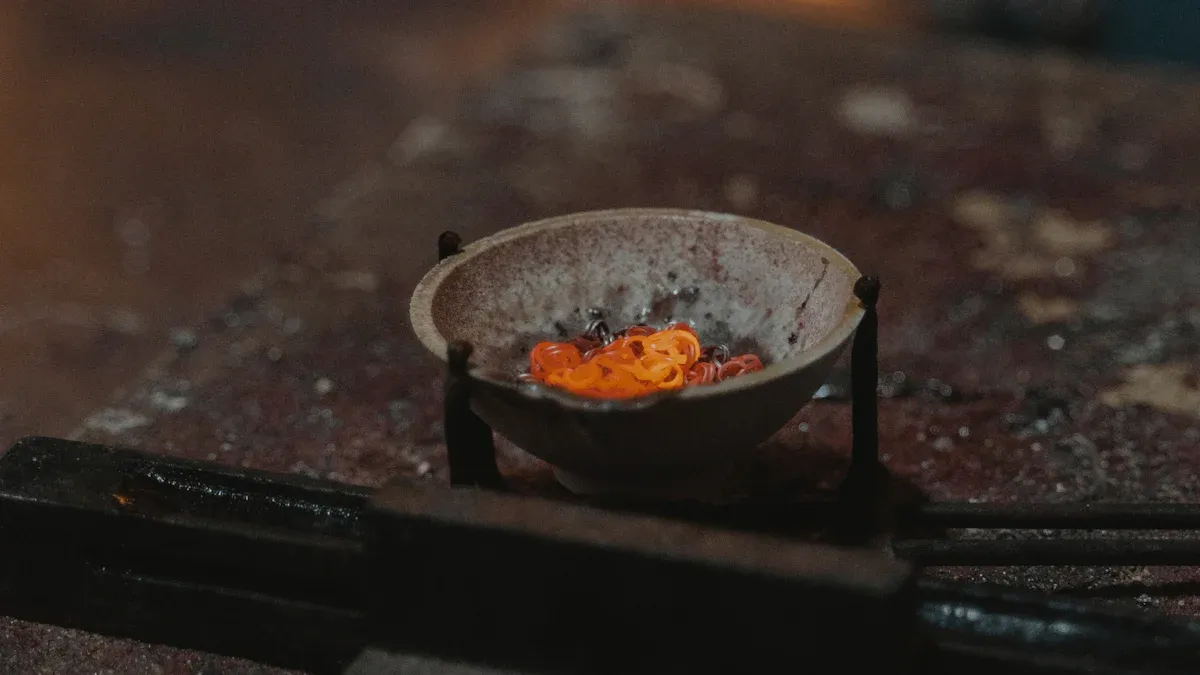
Aluminum alloys play a vital role in die casting due to their strength, corrosion resistance, and lightweight properties. Common Aluminum Die Casting alloys, such as A360, A380, A383, and A413, meet diverse needs across various industries. An experienced Aluminum Die Casting Manufacturer can assist you in selecting the right aluminum alloy for die casting based on your specific requirements. Additionally, they offer comprehensive Aluminum Die Casting Services to ensure high-quality production and optimal performance of your components.
Key Takeaways
- Aluminum alloys such as A360, A380, A383, and A413 are light but strong. They work well for many die casting uses.
- Picking the right aluminum alloy depends on what your project needs. Think about strength, rust resistance, and cost.
- Alloys like A413, with good heat flow, are great for hot jobs. They give steady performance.
Why Aluminum Alloys Are Ideal for Die Casting
Key Benefits of Aluminum Alloys in Die Casting
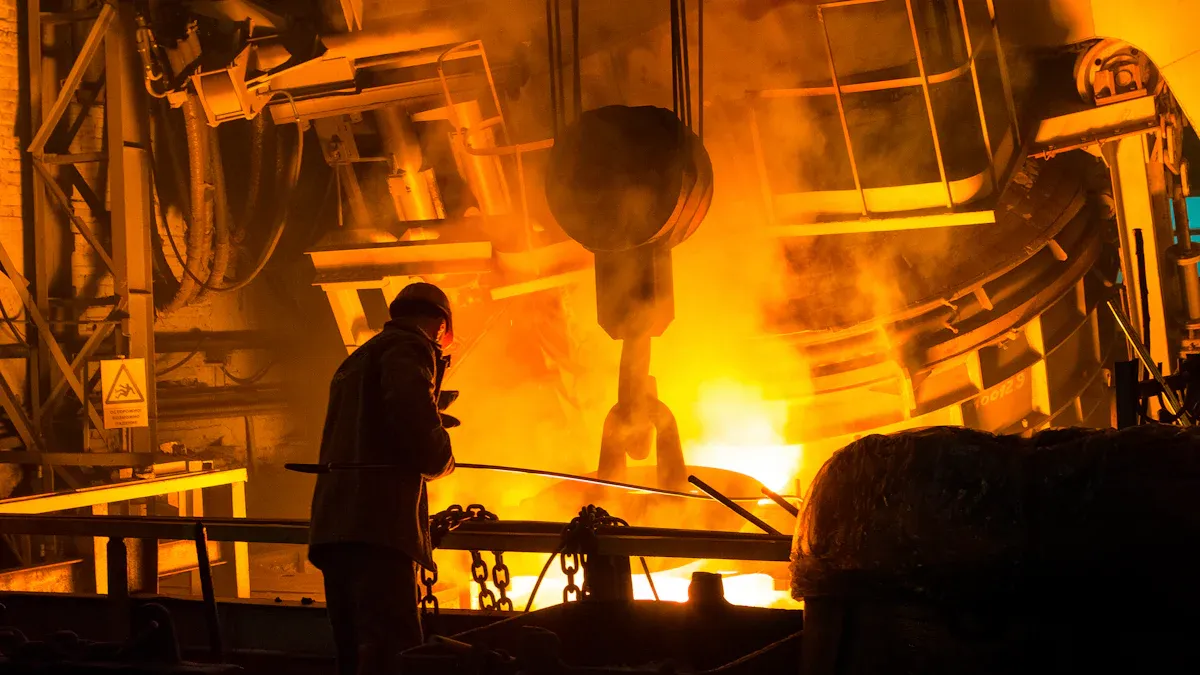
Aluminum alloys offer several advantages that make them perfect for die casting. Their lightweight nature ensures that components are easy to handle and transport. Despite being light, these alloys provide excellent strength, making them suitable for parts that need durability. Aluminum alloys also resist corrosion, which helps extend the lifespan of die-cast products.
Another key benefit is their ability to conduct heat and electricity efficiently. This makes them ideal for applications in industries like electronics and automotive. Aluminum alloys also allow for complex designs because they flow easily into molds during the die casting process. This ensures precision and reduces the need for additional machining.
Common Applications of Aluminum Die Cast Parts
You can find aluminum die-cast parts in a wide range of industries. In the automotive sector, they are used for engine components, housings, and brackets. Their lightweight and durable properties improve vehicle performance and fuel efficiency. In the electronics industry, aluminum die-cast parts are used for enclosures and heat sinks due to their excellent thermal conductivity.
Other common applications include aerospace components, medical devices, and consumer goods. Aluminum alloys for die casting are also popular in industrial machinery, where precision and strength are critical. These versatile alloys meet the needs of various industries, making them a top choice for manufacturers.
Top Aluminum Alloys for Die Casting
A360: Properties and Applications
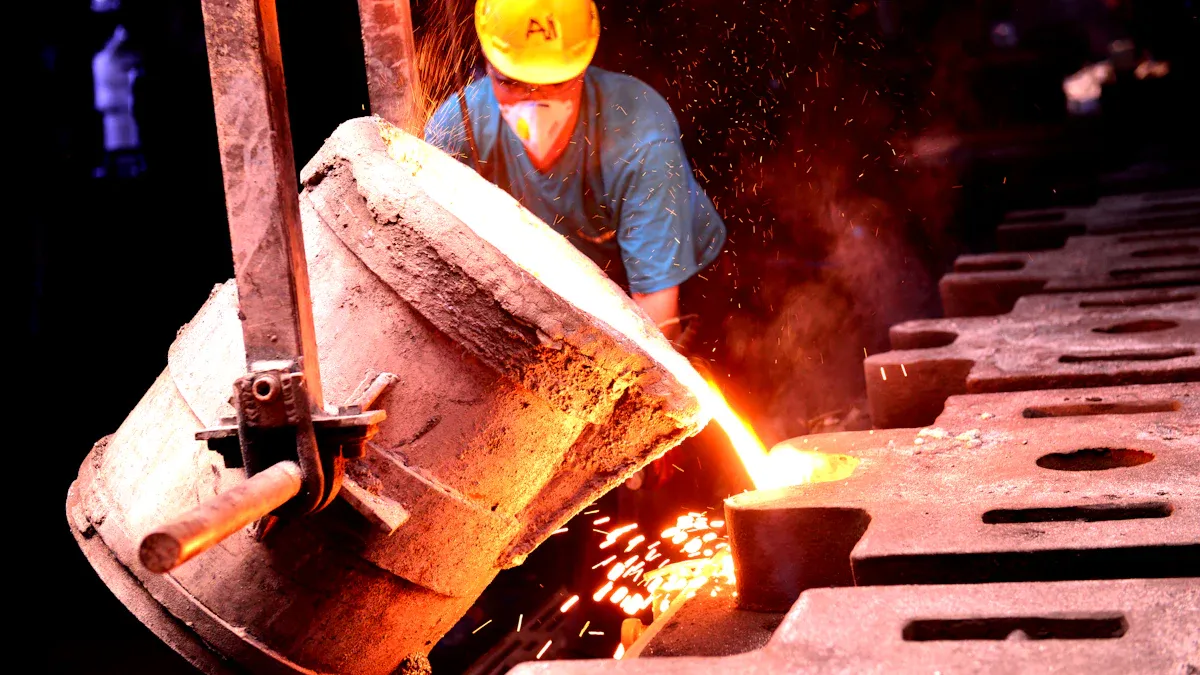
A360 is a high-performance aluminum alloy for die casting that offers excellent corrosion resistance and mechanical strength. Its superior ductility makes it ideal for parts that require intricate designs or thin walls. You’ll find that A360 also provides good thermal and electrical conductivity, which enhances its versatility across industries.
This alloy is commonly used in applications where durability and precision are critical. For example, it’s a popular choice in the automotive industry for engine components and transmission cases. Its corrosion resistance makes it suitable for marine equipment and outdoor applications. If your project demands lightweight yet strong components, A360 could be the perfect fit.
A380: Properties and Applications
A380 is one of the most widely used aluminum alloys for die casting. It combines excellent dimensional stability with high strength, making it suitable for a variety of applications. You’ll appreciate its ability to withstand high-pressure environments and its resistance to wear and tear. A380 also offers good thermal conductivity, which is essential for heat-dissipating components.
This alloy is often used in the production of housings, brackets, and enclosures. In the electronics industry, A380 is favored for its ability to create precise and complex parts. Its cost-effectiveness and versatility make it a go-to option for manufacturers looking to balance performance and budget.
A383: Properties and Applications
A383 is a modified version of A380, designed to provide enhanced corrosion resistance and improved die-filling capabilities. If your project involves intricate designs or requires parts with thin walls, A383 is an excellent choice. It also offers good mechanical properties, ensuring durability and reliability.
You’ll often find A383 used in applications where environmental factors, such as moisture or salt exposure, are a concern. It’s commonly used in automotive components, electronic housings, and industrial machinery. Its ability to maintain strength and stability under challenging conditions makes it a reliable option for demanding projects.
A413: Properties and Applications
A413 stands out for its exceptional thermal conductivity and pressure-tight properties. If your application involves heat dissipation or requires components to withstand high-pressure environments, A413 is an ideal aluminum alloy for die casting. It also offers good corrosion resistance, which extends the lifespan of the parts.
This alloy is frequently used in the production of heat exchangers, hydraulic cylinders, and automotive engine parts. Its lightweight nature and excellent thermal properties make it a preferred choice in industries like aerospace and electronics. When you need a combination of strength, heat resistance, and precision, A413 delivers outstanding results.
How to Choose the Right Aluminum Alloy for Die Casting
Application-Specific Requirements
Choosing the right aluminum alloy for die casting starts with understanding your project’s specific needs. Different applications demand unique properties from the alloy. For example, if your project involves intricate designs or thin-walled components, you should prioritize alloys like A360 or A383. These alloys flow easily into molds, ensuring precision and reducing the need for additional machining.
On the other hand, if your application requires parts to withstand high pressure or heavy loads, A380 or A413 may be better options. These alloys offer excellent strength and dimensional stability. Always match the alloy’s properties to the functional requirements of your product. This ensures optimal performance and durability.
Environmental and Corrosion Resistance Needs
The environment where your die-cast parts will operate plays a crucial role in alloy selection. If your components will face moisture, salt, or other corrosive elements, you should choose an alloy with strong corrosion resistance. A383 and A360 are excellent choices for such conditions. Their ability to resist corrosion makes them ideal for outdoor or marine applications.
For environments with high temperatures or significant heat dissipation needs, A413 stands out. Its exceptional thermal conductivity ensures reliable performance in demanding conditions. Always evaluate the environmental factors your components will encounter. This helps you select an alloy that can withstand these challenges while maintaining its integrity.
Budget and Production Considerations
Cost is another critical factor when selecting an aluminum alloy for die casting. Some alloys, like A380, offer a balance between performance and affordability. This makes them a popular choice for manufacturers working within tight budgets. Additionally, A380′s versatility reduces the need for multiple alloys, further lowering production costs.
Production efficiency also matters. Alloys with good die-filling capabilities, such as A383, can streamline the manufacturing process. This reduces waste and minimizes production time. By considering both budget constraints and production requirements, you can choose an alloy that meets your financial and operational goals.
Aluminum alloys like A360, A380, A383, and A413 offer unmatched versatility for die casting. You can select the best alloy by evaluating your project’s needs for strength, corrosion resistance, and cost. Understanding each alloy’s properties ensures you make informed choices that maximize performance and efficiency for your die-cast components.
FAQ
What makes aluminum alloys better than other materials for die casting?
Aluminum alloys combine lightweight properties, strength, and corrosion resistance. They also allow for precise designs and reduce production costs, making them ideal for die casting applications.
Can aluminum die-cast parts handle high temperatures?
Yes, certain alloys like A413 excel in high-temperature environments. Their thermal conductivity ensures reliable performance in applications requiring heat dissipation or resistance to extreme conditions.
How do I decide which aluminum alloy to use?
Evaluate your project’s needs, including strength, corrosion resistance, and budget. Match these requirements with the properties of alloys like A360, A380, A383, or A413.
Post time: May-08-2025