
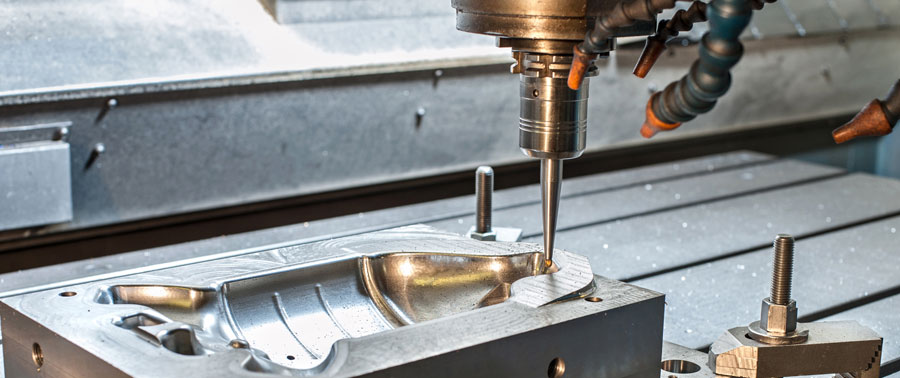
Metal Die Cast models and toys are miniature replicas crafted through a precise manufacturing process known as die casting. This advanced technique involves pouring molten metal into molds, resulting in intricate Metal Die Casting Parts Foundry creations that showcase exceptional detail and durability. These models often depict vehicles, characters, and iconic designs, making them highly sought after by collectors.
What drives their popularity? The collectibles market has experienced remarkable growth, with an 8% increase in 2023 alone. The Die-cast Toys Market, valued at USD 1.78 billion in 2023, is projected to reach USD 2.50 billion by 2031. The superior craftsmanship of each Metal Die Casting Part, combined with their rarity and nostalgic appeal, continues to captivate enthusiasts globally. Additionally, innovations like Centrifugal Metal Die Casting further enhance the quality and precision of these collectibles, solidifying their place in the hearts of collectors.
By: haihong
email: daphne@haihongxintang.com
email: haihong@haihongxintang.com
Phone:
Sales: 0086-134 8641 8015
Support: 0086-574 8669 1714
Key Takeaways
- Metal Die Cast models are strong and detailed items made with care.
- Collectors should plan goals and budgets to keep collections simple.
- Checking trusted makers and looking at models helps buy good ones.
- Joining collector groups is fun and helps with learning and trading.
- Rare and well-kept models become more valuable and wanted by collectors.
A Brief History of Metal Die Cast Models
Origins and Early Development
The story of Metal Die Cast models begins in the early 20th century. In 1901, Herbert H. Franklin founded the first commercial die casting company. This innovation paved the way for the creation of intricate metal objects. By 1908, the Dowst brothers introduced the world’s first die-cast model car. It was a replica of the Ford Model T, a groundbreaking moment in toy history. Just a few years later, in 1911, TootsieToy produced its first die-cast model car. This marked the start of a new era for toys. In 1924, the Tootsie brand was officially trademarked, cementing its legacy in the industry.
Evolution of Metal Die Cast Toys
Over the decades, Metal Die Cast toys evolved significantly. Early models were simple and focused on durability. As technology advanced, manufacturers began adding more details and realistic features. By the mid-20th century, these toys became more than just playthings. They turned into collectibles that appealed to both children and adults. Companies started experimenting with different scales and designs, creating models that captured the imagination of enthusiasts worldwide. Today, Metal Die Cast toys are known for their precision and craftsmanship, making them a favorite among collectors.
Contributions of Iconic Manufacturers
Several manufacturers have played a key role in shaping the Metal Die Cast industry. TootsieToy, one of the earliest pioneers, set the standard for die-cast toys. Later, companies like Dinky Toys and Matchbox revolutionized the market with their innovative designs. Matchbox, for instance, introduced small-scale models that were affordable yet highly detailed. Hot Wheels followed, bringing vibrant colors and dynamic designs to the scene. These iconic brands not only popularized Metal Die Cast toys but also inspired generations of collectors.
Features and Types of Metal Die Cast Models
Materials and Manufacturing Techniques
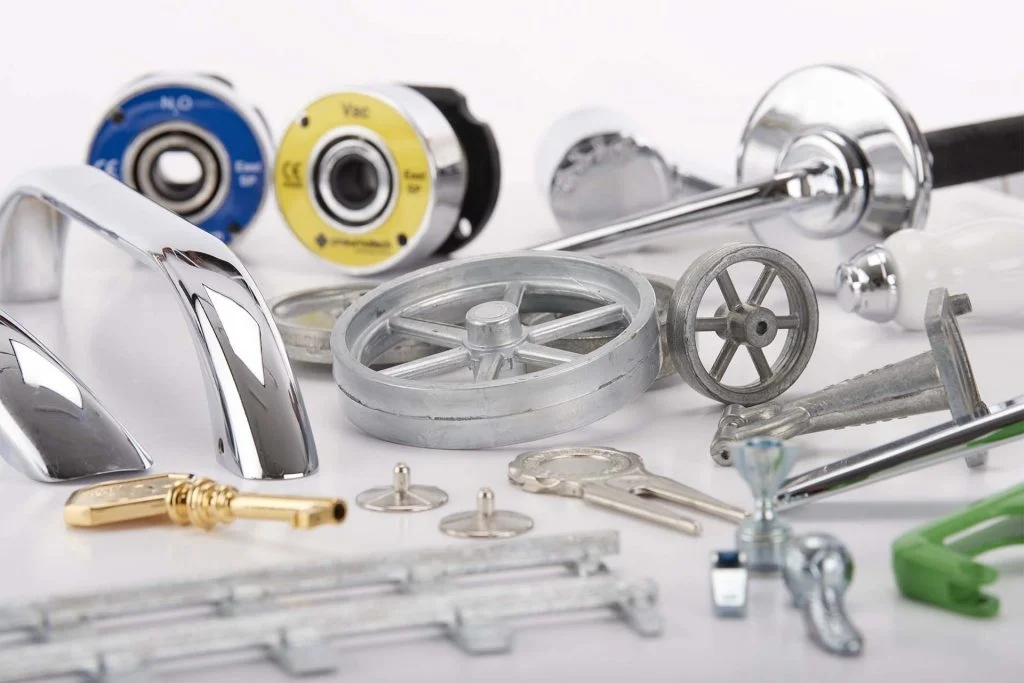
Metal Die Cast models owe their durability and intricate detailing to the materials and techniques used in their production. Manufacturers typically use metals like aluminum, zinc, and magnesium, each chosen for its unique properties. For instance, aluminum alloys such as AC 46100 and ADC 12 are prized for their corrosion resistance and machinability, while zinc alloys like Zamak 3 and Zamak 5 offer excellent dimensional stability and impact strength. Magnesium alloys, such as AZ91D, are lightweight yet strong, making them ideal for aerospace and automotive applications.
The die casting process itself involves injecting molten metal into a mold under high pressure. This method ensures precision and allows for mass production of complex shapes. Whether it’s a sleek sports car or a detailed character figurine, this technique guarantees consistency and quality.
Here’s a quick look at some commonly used alloys and their properties:
| Type of Alloy | Materials | Properties |
|---|---|---|
| Aluminum | AC 46100 | Affordable, non-corrosive, low melting point, excellent weldability |
| Zinc | Zamak 3 | Good dimensional stability, easy to machine, suitable for toys and gears |
| Magnesium | AZ91D | Lightweight, strong, and ideal for automotive and electronics industries |
These materials and techniques make Metal Die Cast models not only visually appealing but also long-lasting, ensuring they remain a collector’s treasure for years.
Popular Types: Vehicles, Characters, and More
Metal Die Cast models come in a variety of forms, catering to diverse collector interests. Vehicles dominate the market, with cars, trucks, and motorcycles being the most popular. The 1:18 scale automotive models, in particular, have a dedicated fan base. Collectors often seek out limited editions or rare designs, which add a sense of exclusivity to their collections.
Character figurines are another favorite, especially among fans of movies, comics, and pop culture. The growing influence of K-pop and blockbuster franchises has driven demand for these models. For example, the figurine collectibles market is projected to reach $7.2 billion by 2024, fueled by the popularity of iconic characters.
Beyond vehicles and characters, Metal Die Cast models also include airplanes, trains, and even architectural replicas. Each type offers something unique, whether it’s the nostalgia of a classic car or the intricate details of a superhero figure. This variety ensures there’s something for every collector, no matter their passion.
Importance of Scale and Detailing
Scale and detailing play a crucial role in the appeal of Metal Die Cast models. The scale determines the size of the model in relation to its real-life counterpart. Popular scales include 1:18, 1:24, and 1:64, with each offering a different level of detail. For instance, a 1:18 scale model provides intricate features like opening doors and functional wheels, while smaller scales focus on compactness and affordability.
Detailing is where these models truly shine. From the texture of a car’s leather seats to the expression on a character’s face, every element is meticulously crafted. This attention to detail not only enhances the model’s realism but also increases its value among collectors.
Collectors often prioritize models with high-quality finishes and accurate representations. Whether it’s the glossy paint on a vintage car or the lifelike pose of an action figure, these details make all the difference. They transform a simple toy into a work of art, worthy of display and admiration.
Starting and Growing a Metal Die Cast Collection
Setting Goals and Budgeting
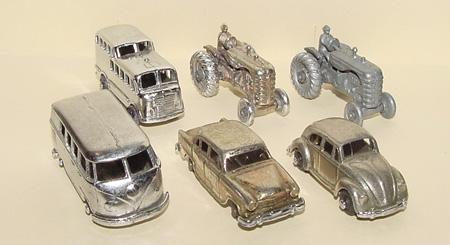
Starting a Metal Die Cast collection can be exciting, but it’s important to set clear goals before diving in. Collectors often begin by deciding what they want to focus on, such as vintage cars, superhero figurines, or rare models. Having a theme helps narrow down choices and makes the collection more meaningful.
Budgeting is equally important. It’s easy to get carried away when browsing through stunning models, but setting a spending limit keeps things manageable. Beginners might start with affordable pieces and gradually invest in rarer items as their knowledge grows. Tracking expenses and prioritizing purchases ensures the collection grows steadily without breaking the bank.
Researching and Finding Quality Models
Finding high-quality Metal Die Cast models requires a bit of detective work. Collectors often start by researching trusted manufacturers and understanding the materials used in production. For example, models made with aluminum alloys like AC 46100 or zinc alloys such as Zamak 3 are known for their durability and precision.
Modern technology has made identifying quality models even easier. Industry 4.0 techniques, like machine learning and data visualization, help manufacturers detect casting defects early. These methods ensure that only flawless models reach the market. Here’s a quick look at how advanced tools aid in quality control:
| Methodology | Description |
|---|---|
| Machine Learning | Predicts defects using mold temperature data with random forest algorithms. |
| Visualization | Displays prediction results on dashboards for better decision-making. |
| Deep Learning | Identifies defects in welding processes with high accuracy. |
Collectors can also inspect models for defects by checking their appearance, size, and detailing. Grouping potential issues into design, material, or process-related categories helps identify the best pieces.
Building Connections in the Collector Community
Joining a community of collectors can make the hobby even more enjoyable. Enthusiasts often share tips, trade models, and discuss trends in forums or social media groups. These connections provide valuable insights into rare finds and upcoming releases.
Attending collector events or expos is another great way to meet like-minded individuals. These gatherings often feature exclusive models and expert advice. Networking with experienced collectors can open doors to new opportunities, whether it’s finding a rare piece or learning about storage techniques.
Building relationships in the community not only enhances the collecting experience but also creates lasting friendships. After all, sharing a passion for Metal Die Cast models brings people together in unique ways.
Understanding Value and Rarity in Metal Die Cast Models
Limited Editions and Production Numbers
Limited editions play a huge role in determining the value and rarity of Metal Die Cast models. Collectors often seek out these exclusive pieces because they stand out from regular releases. Models like the 1/10 Porsche 934 are a great example. Their limited production ensures they retain value better over time. Similarly, kits with unique model numbers, such as the 58200 David Jun TA03F Pro Chassis, attract attention due to their distinct characteristics.
The appeal of limited editions doesn’t stop there. Popular designs or innovative features, like special chassis or shells, can make a model even more desirable. While re-releases of limited editions might slightly impact the value of original models, they still hold a special place for collectors. Many enthusiasts enjoy running these vintage cars, adding to their charm and demand.
Condition and Packaging Considerations
The condition of a Metal Die Cast model is another key factor in its value. Collectors prioritize models that are well-preserved, with no visible damage or wear. Scratches, dents, or missing parts can significantly lower a model’s worth. Keeping the model in pristine condition ensures it remains a valuable asset in any collection.
Packaging also matters. Original boxes, especially those in good condition, add to a model’s appeal. They often feature artwork, branding, or details that enhance the overall presentation. A model with its original packaging is more likely to fetch a higher price than one without it. Collectors often advise storing models in their boxes to protect them from dust and damage.
Historical and Cultural Impact
Some Metal Die Cast models gain value due to their historical or cultural significance. Models that represent iconic moments, vehicles, or characters often become collector favorites. For instance, a die-cast replica of a classic car like the Ford Model T holds historical importance, making it a prized possession.
Cultural trends also influence a model’s desirability. A character figurine from a blockbuster movie or a popular TV series can quickly become a must-have item. These models capture the essence of a particular era or trend, making them timeless collectibles. Collectors often view these pieces as more than just toys—they’re a way to preserve history and culture in miniature form.
Storage and Maintenance of Metal Die Cast Models
Preventing Damage and Corrosion
Proper storage is essential to keep Metal Die Cast models in pristine condition. Exposure to moisture, dust, or extreme temperatures can lead to corrosion or damage. To prevent this, collectors should store their models in a dry, temperature-controlled environment. Using silica gel packets in storage areas can help absorb excess moisture.
For long-term preservation, following international guidelines can be beneficial. For instance, ISO 11844-1:2006 provides methods to classify indoor atmospheres based on their corrosivity levels. This helps collectors identify safe storage spaces. Additionally, ISO 11474:1998 outlines testing methods for corrosion resistance, ensuring that models remain protected even in challenging conditions.
Tip: Avoid placing models near windows or vents where they might face direct sunlight or fluctuating humidity.
Cleaning and Handling Guidelines
Regular cleaning keeps Metal Die Cast models looking their best. A soft microfiber cloth works well for removing dust without scratching the surface. For intricate details, a small brush or compressed air can reach tight spaces. Avoid using harsh chemicals, as they might damage the paint or metal finish.
When handling models, always hold them by their base or sturdy parts. This minimizes the risk of bending delicate components. Wearing cotton gloves can also prevent fingerprints or oils from transferring onto the surface.
Note: Clean models gently and avoid excessive force to preserve their detailing and finish.
Safe Display Options
Displaying Metal Die Cast models can enhance their appeal while keeping them safe. Glass display cases are an excellent choice, as they protect models from dust and accidental damage. For added security, consider cases with UV-resistant glass to prevent fading caused by sunlight.
Wall-mounted shelves with individual compartments offer another stylish option. Ensure shelves are sturdy and placed away from high-traffic areas to avoid accidental bumps. Adding LED lighting can highlight the intricate details of each model, making your collection truly stand out.
Tip: Arrange models by theme or scale for a visually pleasing display that tells a story.
Buying, Selling, and Trading Metal Die Cast Models
Best Places to Buy: Online and Offline
Finding the perfect Metal Die Cast model starts with knowing where to look. Online platforms like eBay, Amazon, and specialty collector websites offer a wide variety of models. These sites often feature rare finds and limited editions, making them a treasure trove for enthusiasts. Many online stores also provide detailed descriptions and reviews, helping buyers make informed decisions.
For those who prefer a hands-on experience, local hobby shops and toy stores are excellent options. These places allow collectors to inspect models up close, ensuring quality and authenticity. Collector expos and trade shows are another fantastic way to discover unique pieces. These events often feature exclusive releases and provide opportunities to connect with sellers and other collectors.
Tip: Always verify the seller’s reputation, especially when buying online, to avoid counterfeit products.
Selling Tips and Pricing Strategies
Selling Metal Die Cast models requires a strategic approach. Start by researching the current market value of your models. Limited editions or models in pristine condition often fetch higher prices. Platforms like eBay or collector forums can provide insights into pricing trends.
Presentation matters when selling. High-quality photos and detailed descriptions can attract more buyers. Highlight unique features, such as limited production numbers or original packaging. Pricing should reflect the model’s rarity, condition, and demand.
Here’s a quick look at factors influencing sales:
| Factor | Insight |
|---|---|
| Collector Interest | Growing interest among collectors drives demand for diecast models. |
| Impact of Counterfeits | Counterfeit products harm the market’s image and reduce sales, affecting pricing strategies. |
| Regional Dynamics | Asia Pacific is the fastest-growing region, influenced by rising disposable income and interest. |
| Role of Collector Clubs | Collector clubs promote sales through events and auctions, enhancing community engagement. |
Trading with Fellow Collectors
Trading models with other collectors can be a rewarding experience. It’s a great way to acquire rare pieces while building connections within the community. Start by joining collector forums or social media groups. These platforms often have dedicated sections for trading.
When trading, transparency is key. Share clear photos and descriptions of your models, and ask for the same in return. Agree on the terms of the trade beforehand to avoid misunderstandings. Attending collector events can also open up trading opportunities. Face-to-face interactions often lead to smoother exchanges and stronger relationships.
Note: Trading isn’t just about the models—it’s about sharing a passion for Metal Die Cast collecting with others.
Iconic Metal Die Cast Models and Toys
Classic Cars and Vehicles
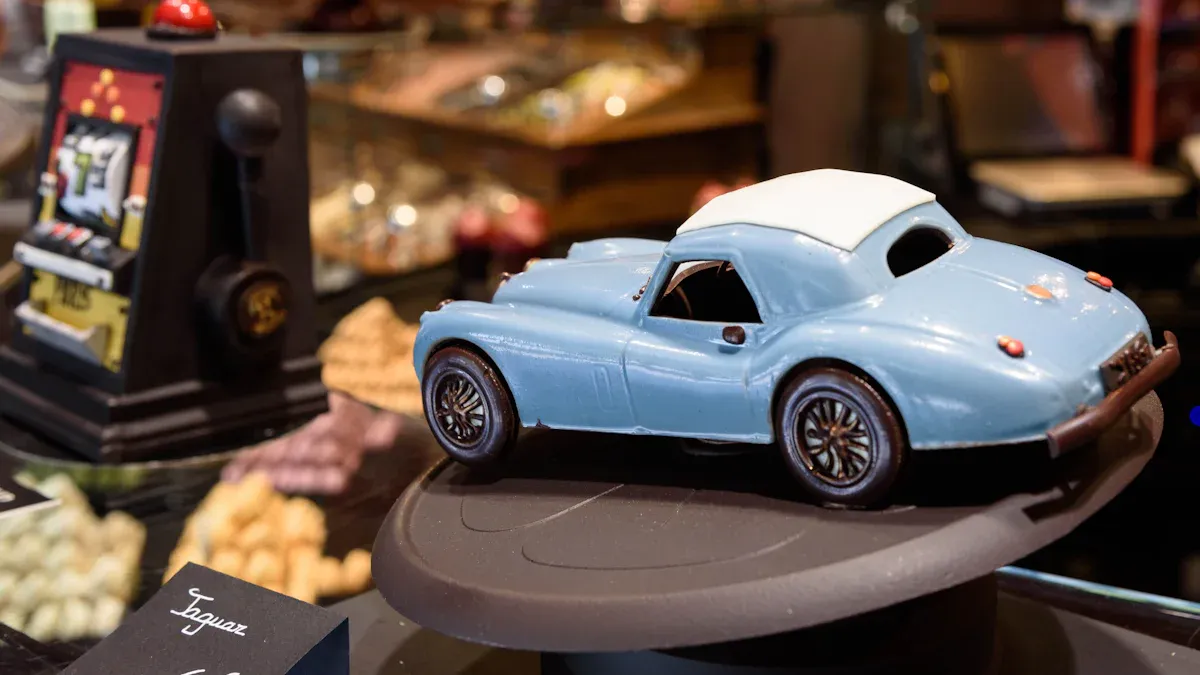
Classic cars hold a special place in the world of Metal Die Cast models. These miniature replicas capture the elegance and power of iconic vehicles, making them a favorite among collectors. Muscle cars, in particular, dominate this segment due to their cultural significance and timeless appeal. Auction houses like RM Sotheby’s often feature these models, highlighting their enduring popularity.
Collectors gravitate toward models of legendary cars like the Ford Mustang, Chevrolet Camaro, and Dodge Charger. These vehicles symbolize an era of bold design and performance. Limited-edition releases or models with unique features, such as functional doors or detailed interiors, add to their allure.
Tip: Look for models that replicate classic cars from the 1960s and 1970s. They often hold sentimental value and are highly sought after in the collector community.
Famous Character Figures
Character figures bring beloved heroes and villains to life in Metal Die Cast form. These models appeal to fans of movies, comics, and pop culture. From superheroes like Iron Man and Batman to iconic villains like Darth Vader, these figures capture the essence of their on-screen counterparts.
The growing popularity of franchises like Marvel, DC, and Star Wars has fueled demand for these collectibles. Fans often seek out limited-edition figures or those with intricate detailing. For example, a Metal Die Cast Iron Man figure might feature a glossy finish and articulated joints, making it both a display piece and a conversation starter.
Note: Character figures often gain value over time, especially if they are tied to blockbuster movies or limited production runs.
Rare and Collectible Models
Rarity plays a significant role in the value of Metal Die Cast models. Collectors prize models produced in limited quantities or those with unique features. For instance, a model with fewer than 250 units produced is considered rare, while those with fewer than 100 units are highly collectible.
Several factors influence a model’s rarity and value:
| Criteria | Description |
|---|---|
| Condition | Models in mint condition, especially with original packaging, are worth more. |
| Rarity | Limited production runs or unique designs increase a model’s desirability. |
| Brand Reputation | Models from renowned brands known for quality and detail hold higher value. |
Some models become rare due to production errors or initial lack of popularity. Others gain value because of their historical or cultural significance. Limited-edition models, such as those commemorating anniversaries or special events, often attract serious collectors.
Tip: Always verify the production numbers and condition before purchasing a rare model. This ensures you’re investing in a genuine collectible.
Metal Die Cast collecting combines artistry, nostalgia, and investment potential into one rewarding hobby. Whether you’re drawn to classic cars, superhero figures, or rare models, there’s something for everyone. The market continues to grow, with a projected size of USD 80 billion by 2032 and a steady 4.5% annual growth rate.
Why start now?
- Demand for lightweight automotive components is rising.
- Electric and hybrid vehicle production is fueling innovation.
- Stricter emission regulations are driving advancements in manufacturing.
Asia Pacific leads the way, thanks to booming automotive industries in China and India. Collectors can enjoy the thrill of finding unique pieces while building a collection that holds both sentimental and financial value.
FAQ
What makes Metal Die Cast models different from other collectibles?
Metal Die Cast models stand out because of their durability and intricate detailing. They are made using molten metal, ensuring a sturdy build. Unlike plastic toys, these models often replicate real-life designs with precision, making them highly collectible.
How do I know if a Metal Die Cast model is authentic?
Check for branding, production numbers, and packaging details. Trusted manufacturers often include certificates of authenticity. Researching the seller’s reputation and comparing the model to official images can also help verify its authenticity.
Tip: Avoid deals that seem too good to be true—they often are!
Are Metal Die Cast models safe for children?
While these models are durable, they are primarily designed for collectors. Small parts or sharp edges may pose risks for young children. Always check the age recommendations on the packaging before gifting them to kids.
How can I start a Metal Die Cast collection on a budget?
Begin with affordable models from reputable brands. Focus on a specific theme, like classic cars or superhero figures. Gradually expand your collection as you learn more about the hobby. Online marketplaces and local stores often have budget-friendly options.
What’s the best way to clean and maintain my models?
Use a soft microfiber cloth to remove dust. For intricate areas, a small brush works well. Avoid harsh chemicals that might damage the finish. Store models in a dry, temperature-controlled space to prevent corrosion.
Note: Handle models carefully to preserve their detailing and value.
By: haihong
email: daphne@haihongxintang.com
email: haihong@haihongxintang.com
Phone:
Sales: 0086-134 8641 8015
Support: 0086-574 8669 1714
Post time: Apr-27-2025