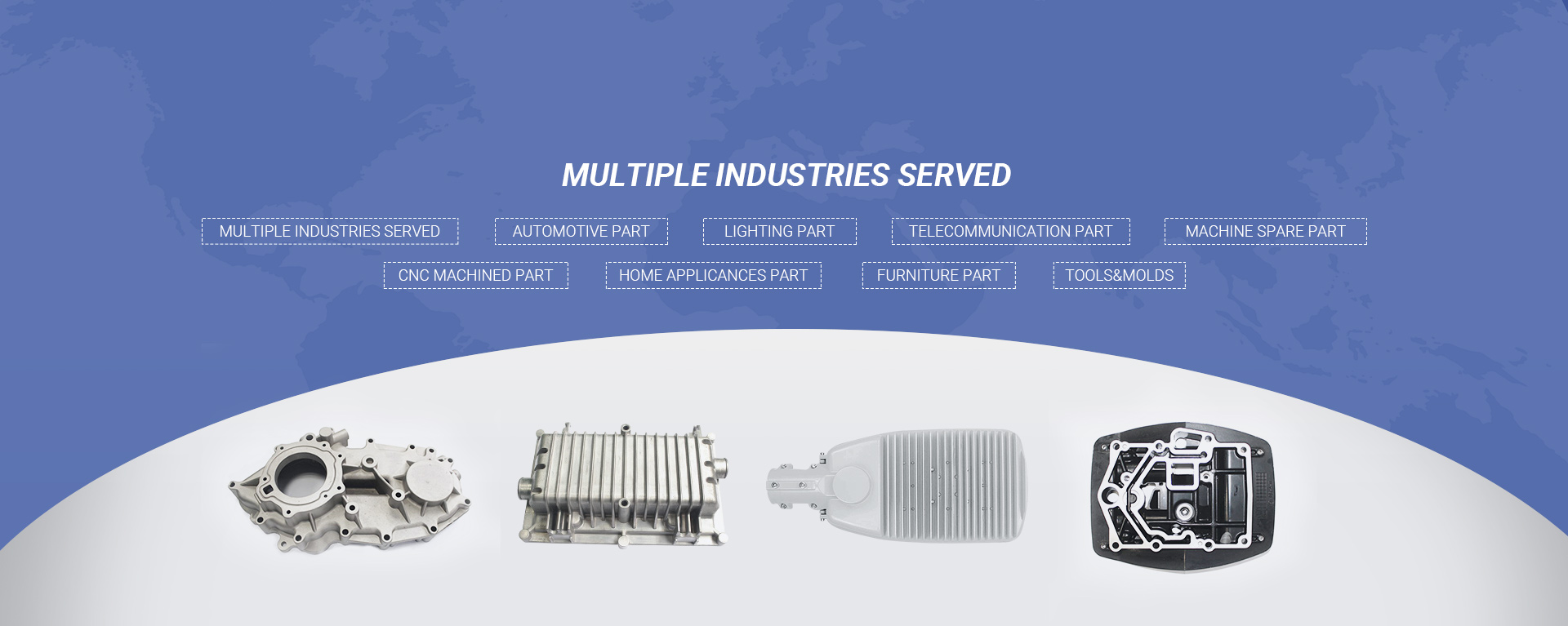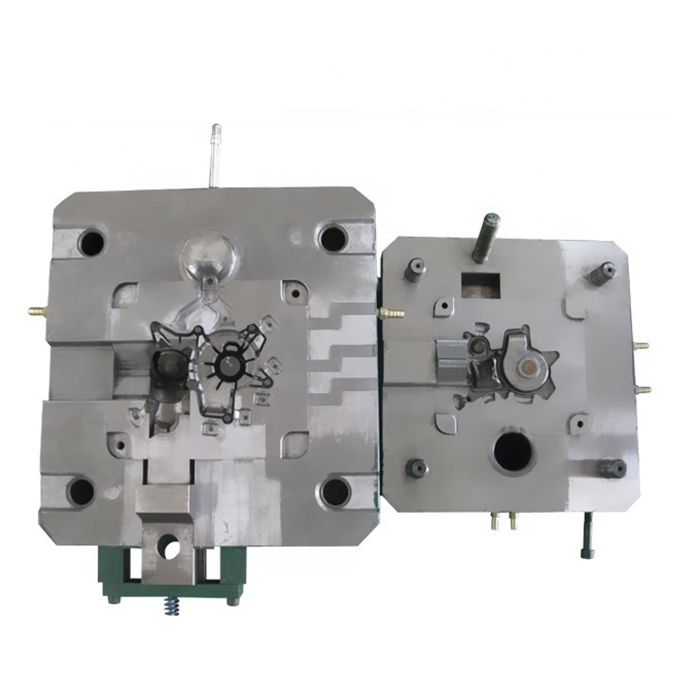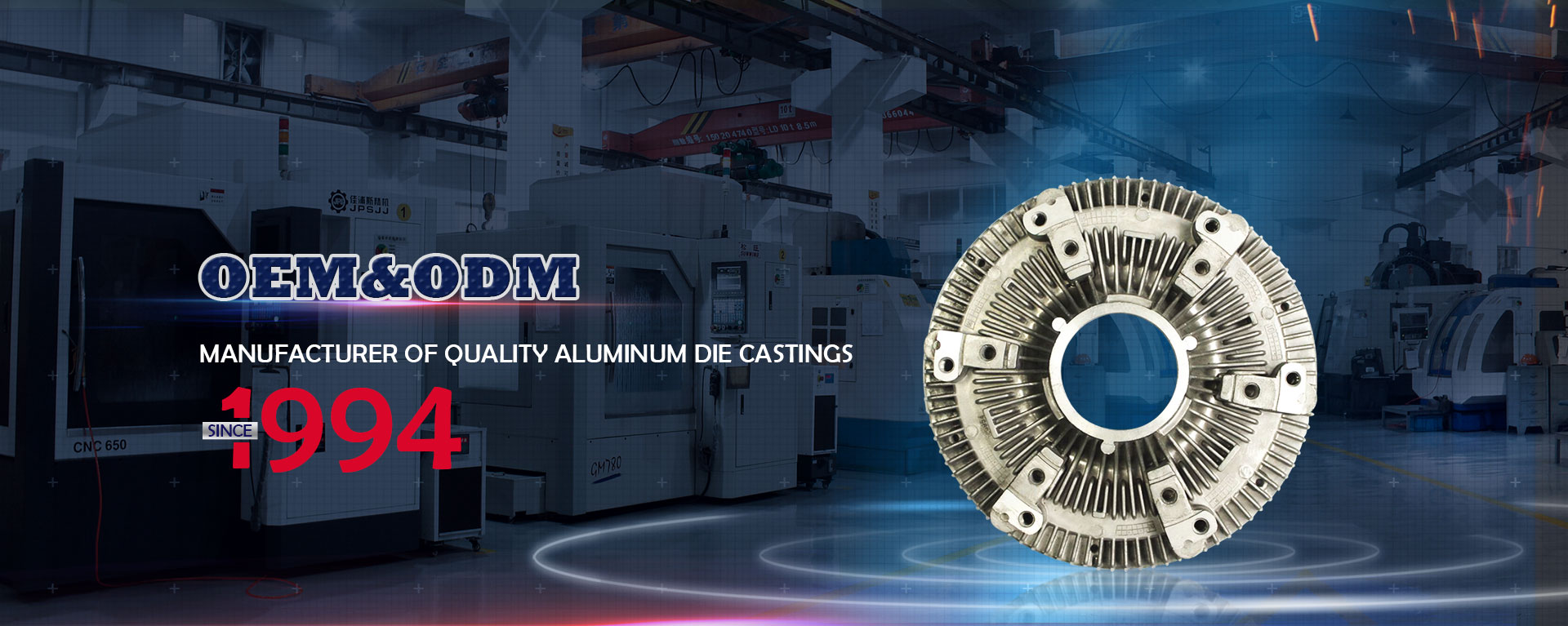
Are you in need of high-quality aluminium die casting? Our manufacturing process is tailored to meet the demands of B2B buyers like you, offering durability and precision in every piece. The aluminium die casting process we use ensures that each product is crafted with the utmost attention to detail, allowing for complex shapes and designs. As a wholesale supplier, we understand the significance of timely delivery and cost-effectiveness. Partnering with us means you get access to reliable manufacturing that won’t compromise on quality. I've seen firsthand how our custom solutions can streamline operations and enhance product offerings for manufacturers across various industries. Let’s connect and explore how our aluminium die casting services can meet your specific needs while maintaining the highest industry standards. Your satisfaction is our priority, and we’re here to support your business growth with our exceptional products.
The aluminium die casting process is a remarkable blend of precision engineering and innovative technology, designed to satisfy the evolving needs of global buyers. It begins with a concept, often inspired by specific product requirements, and advances through meticulous design and prototyping stages. Each phase is crucial, as it ensures that the end product not only meets but exceeds industry standards. This method is particularly favored for its ability to produce complex shapes with excellent surface finish and dimensional accuracy, making it ideal for a variety of applications, from automotive components to consumer goods. What sets this process apart is the commitment to service throughout the entire production cycle. A dedicated team collaborates closely with clients, providing insights and updates, ensuring that feedback is seamlessly integrated. This collaborative approach fosters innovation, allowing for quick adjustments and tailored solutions that optimize functionality and performance. Moreover, by integrating advanced technologies and automation, companies can enhance efficiency, reduce lead times, and deliver high-quality products consistently. As global markets demand greater efficiency and sustainability, the aluminium die casting process emerges as a vital solution. It not only reduces material waste but also accommodates energy-saving practices, aligning with the growing emphasis on environmentally friendly manufacturing. With a focus on customer satisfaction and continuous improvement, businesses can confidently transform innovative ideas into tangible products, ready for market delivery and capable of driving growth in competitive industries.
| Process Stage | Description | Innovation | Timeframe |
|---|---|---|---|
| Concept Development | Initial design ideas and prototypes based on client needs. | Use of CAD software for enhanced visualization. | 2-4 weeks |
| Mold Design | Creating detailed mold specifications for die casting. | 3D printing prototypes for testing fit and function. | 3-6 weeks |
| Material Selection | Choosing appropriate aluminum alloys for durability and strength. | Incorporating recycled aluminum materials. | 1 week |
| Production | Executing the die casting process to create parts. | Automation for improved efficiency and consistency. | 2-4 weeks |
| Quality Control | Inspection and testing to ensure compliance with specifications. | Implementation of AI for defect detection. | 1-2 weeks |
| Delivery | Shipping finished components to the client. | Real-time tracking for better transparency. | 1 week |